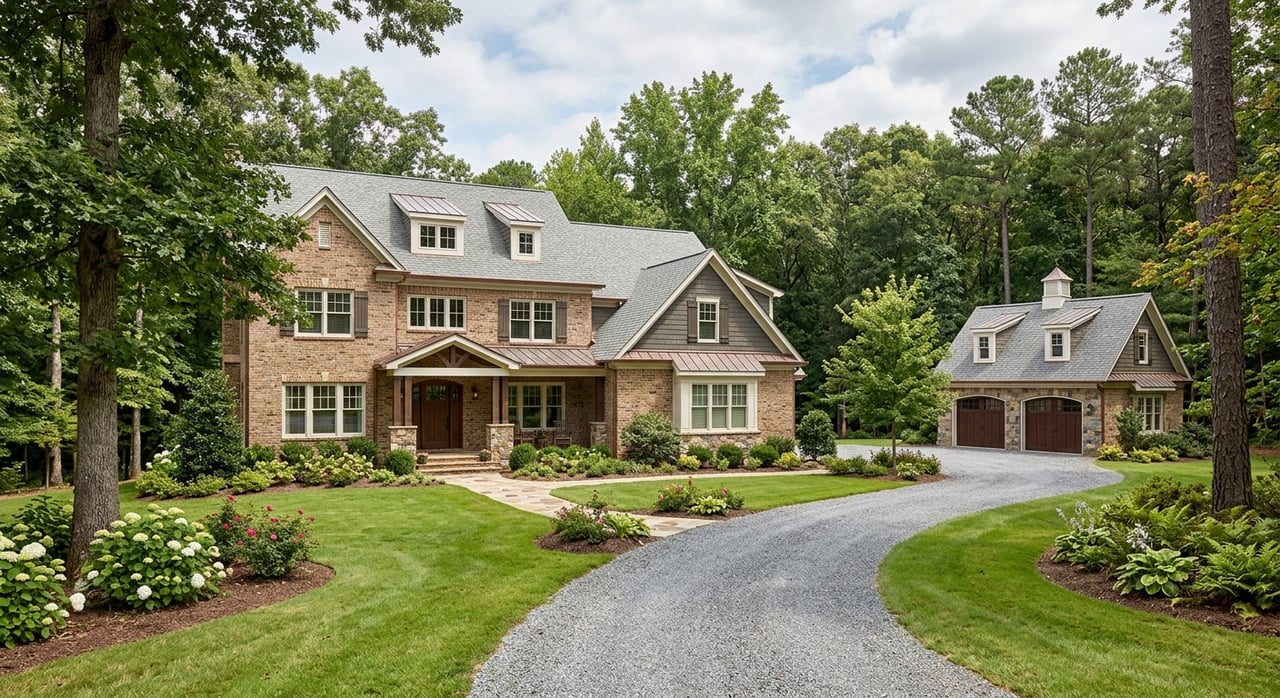
Thinking about buying acreage in Woodbine? A larger lot can give you more flexibility, privacy, and room to spread out, but it also comes with a very different checklist than a typical suburban home purchase. Before you tour properties or write an offer, it helps to understand how parcel lines, county rules, wells, septic systems, and outbuildings can affect what you are really buying. Let’s dive in.
Why Woodbine Acreage Takes Extra Homework
Woodbine is a rural market with an important twist: it sits along the Howard County and Carroll County line. That means two properties with Woodbine addresses may be governed by different county rules, even if they seem close together.
For you as a buyer, that matters right away. Rules related to zoning, wells, septic systems, setbacks, and accessory structures can change depending on which side of the county line the parcel sits on. Before you fall in love with a home, confirm the exact parcel location and county.
County lines can change the details
Carroll County describes Woodbine as a linear stretch along Woodbine Road with rolling rural surroundings. Howard County’s land use framework treats rural districts differently depending on the zoning category, including areas intended to conserve farmland and rural landscape and areas meant for low-density residential development.
That does not mean one side is better than the other. It means your due diligence needs to be property-specific. A smart acreage search starts with the parcel, not just the mailing address.
Start With the Land, Not Just the House
When you buy acreage, the land itself deserves as much attention as the home. You are not only evaluating bedrooms and finishes. You are also evaluating boundaries, access, easements, building limitations, and how existing improvements fit on the site.
One of the most useful early documents is the location survey or plat. Carroll County notes that the location survey in the settlement packet is the best place to confirm boundaries and improvements, and if conditions have changed since settlement, the survey may need to be updated.
Check boundaries and improvements
Acreage listings can make a property feel simple when it is not. Fences, sheds, garages, driveways, and cleared areas may not always sit where you assume they do.
Reviewing the survey helps you confirm:
- Property lines
- Existing structures and improvements
- Driveway location
- Easements
- General layout of well and septic areas
If something on the ground does not appear to match the paperwork, that is a sign to pause and investigate further.
Review driveway access and easements
Access can be a bigger issue on rural properties than many buyers expect. Carroll County notes that use-in-common driveways often rely on recorded easements and maintenance agreements.
That means you should verify not only that you can legally use the driveway, but also whether there is a written agreement covering maintenance responsibilities. Shared access is not necessarily a problem, but you want clarity before closing.
Understand Zoning and Preservation Limits
Acreage often attracts buyers who are thinking ahead. You may want a barn-style building, a detached garage, more storage, or room for future improvements. Those ideas need to be checked against zoning and any added restrictions tied to the specific parcel.
Howard County guidance notes that some preservation parcels have restrictions that go beyond the underlying zoning and may require board approval. In other words, the zoning label alone may not tell the whole story.
Ask what the parcel actually allows
Before you make an offer, it is worth confirming:
- The current zoning classification
- Whether the parcel is subject to a preservation program
- Whether any extra approvals are required for future changes
- Whether existing uses and structures appear consistent with county records
This step can help you avoid buying a property based on plans that may not be allowed later.
Wells and Septic Matter More Here
On many Woodbine-area properties, private well and septic systems are a normal part of ownership. That makes your diligence different from a home connected to public water and sewer.
Howard County’s Well and Septic Program reviews onsite sewage designs, inspects wells and septic systems, tests private drinking water wells, and maintains residential well and septic files from about 1985 forward. Carroll County also notes that many properties rely on private well and septic systems and directs questions to the county health department.
Water quality is your responsibility
Maryland guidance says private well owners are responsible for their own water quality. The state recommends testing at least annually for:
- Coliform bacteria
- Nitrates
- Total dissolved solids
- pH
Testing may also be needed more often if there are issues with odor, taste, appearance, illness, or concerns about nearby contamination. If you are buying acreage, recent well test results should be part of your review.
Septic details affect use
Maryland’s disclosure form asks whether the property uses public water or a well, and public sewer or a septic system approved for a certain number of bedrooms. That bedroom count matters because it may affect how the property is represented and used.
Just as important, the seller’s disclosure is not a substitute for your own inspection and file review. If septic records are available through the county, they are worth checking before you remove contingencies.
Know What a Home Inspection Does Not Cover
Many buyers assume a general home inspection will uncover every meaningful issue. Maryland’s home-inspection standards are more limited than that.
A licensed inspector in Maryland does not have to perform engineering work, inspect inaccessible areas, provide warranties, or identify every hidden or future defect. That is one reason acreage purchases often require a broader diligence plan.
Think beyond the standard inspection
A standard home inspection is still important, but rural properties may call for extra review of:
- Well water testing n- Septic records and condition
- Boundary questions
- Easements and access
- Outbuilding permits
- Older home concerns such as possible lead paint in pre-1978 homes
Maryland also notes that homes built before 1978 may contain lead paint, so buyers of older homes may want an additional inspection for peace of mind.
Outbuildings Can Create Surprise Risks
One reason buyers love acreage is the extra utility. Detached garages, pole buildings, sheds, and workshop spaces can add real value. They can also create permit and compliance questions.
Carroll County states that detached garages and pole buildings require permits, and the site must be approved by zoning and health officials so the structure is placed far enough from septic systems and water infrastructure. The county also notes that some portable one-story detached accessory structures under 150 square feet, when movable and used as sheds or playhouses, do not require a permit.
Verify what is legal and what is not
Do not assume every outbuilding on a property was properly approved. You should verify:
- Whether permits were required
- Whether permits were issued
- Whether the structure placement appears consistent with setbacks and utility locations
- Whether the intended use fits county rules
Howard County zoning guidance also states that accessory structures must be on the same lot as the principal use, and they may not include full baths, full kitchens, residential habitation, or commercial uses. If an outbuilding seems unusually finished or heavily modified, ask questions early.
Write Smarter Contingencies
Maryland homebuying guidance treats inspection, financing, and appraisal as common contingencies. Lenders also typically order the appraisal after a contract is in place.
For acreage in Woodbine, that standard framework may not be enough. Rural properties often have more moving parts, and your contract should reflect that reality.
Contingencies worth discussing
A practical acreage offer may include review periods for:
- Survey or plat review
- Easement and access review
- Well water testing
- Septic review
- Outbuilding permit verification
- Inspection, financing, and appraisal
The right structure depends on the property, but the goal is simple: give yourself time to confirm the land, systems, and improvements match what you think you are buying.
A Simple Roadmap for Buying Acreage
If you want to stay organized, follow a step-by-step process instead of trying to solve everything at once. A calm, methodical approach can reduce surprises and help you make a more confident decision.
Here is a practical sequence:
- Get pre-approved.
- Identify the exact parcel and county.
- Pull the plat or location survey.
- Check zoning and any preservation restrictions.
- Review well and septic files and recent water tests.
- Verify driveway access, easements, and maintenance agreements.
- Confirm the legality of outbuildings and additions.
- Write contract contingencies that fit the property.
- Move forward with appraisal, inspections, and settlement.
Why Guidance Matters on Woodbine Deals
Buying acreage in Woodbine can be rewarding, but it is rarely a plug-and-play purchase. The details that matter most are often outside the house itself, including county line issues, access rights, rural utilities, and rules for future use.
When you have clear information early, you can negotiate better, avoid avoidable risk, and move toward closing with more confidence. If you are considering acreage in Woodbine and want careful, plain-English guidance through the process, connect with Equity One Realty.
FAQs
What should you check first when buying acreage in Woodbine?
- Start by confirming the exact parcel location and whether it is in Howard County or Carroll County, because rules for zoning, wells, septic systems, and accessory structures can differ.
Why does a survey matter when buying a Woodbine property?
- A location survey or plat helps you confirm boundaries, structures, driveways, and easements, and it may reveal whether conditions on the property have changed since the last settlement.
What well tests should you review for a Woodbine acreage home?
- Maryland recommends testing private well water at least annually for coliform bacteria, nitrates, total dissolved solids, and pH.
What should you know about septic systems in Woodbine?
- Many Woodbine properties rely on private septic systems, so you should review county records when available and confirm the system details, including the approved bedroom count noted in disclosures.
Do outbuildings in Woodbine always need permits?
- Not always, but detached garages and pole buildings can require permits, and some smaller movable accessory structures under 150 square feet may not, depending on county rules and use.
Are standard inspection contingencies enough for a Woodbine acreage purchase?
- Often, no. In addition to inspection, financing, and appraisal contingencies, acreage buyers may also want survey, easement, well-water, septic, and outbuilding permit review contingencies.