Thinking about your next home in Clarksville? If your current house no longer fits the way you live, you are not alone. Move-up buyers in this part of Howard County often want more space, a better layout, more land, or upgraded features, but they also need a smart plan for timing, budget, and competition. This guide will help you understand what to expect in Clarksville, how to think about your options, and how to plan your next move with more confidence. Let’s dive in.
Why Clarksville draws move-up buyers
Clarksville sits in a higher-end pocket of Howard County, and the numbers reflect that. Recent market data shows a median listing price of about $1.15 million, with a 12-month median sale price around $1.05 million and a median single-family sale price near $1.1 million. For many buyers moving up, that places Clarksville in the category of a meaningful lifestyle and equity step.
The area also tends to offer what move-up buyers often want most: more square footage, larger lots, and a wider range of amenity packages. Homes.com reports an average single-family size of 4,734 square feet and a median lot size of 41,382 square feet. That combination can appeal if you are looking for more room to spread out, host, work from home, or simply have more privacy.
What price range to expect
Clarksville has a wide pricing spread, so it helps to know what sits near the center of the market and what pushes pricing up. Based on the research, the middle of the market is roughly in the $1.05 million to $1.15 million range. That said, available homes can fall well below or far above that depending on property type, size, lot, and finishes.
Here is a simple way to think about it:
- Townhomes and condos in the River Hill area generally start around $435,000 and can reach about $760,000
- Smaller ramblers and split-level homes often range from about $640,000 to $860,000
- Larger homes commonly range from about $900,000 to $2 million
- Estate-style properties can exceed $3.5 million
For a move-up buyer, this means your next step may not always require jumping straight into the very top of the market. In some cases, you may be choosing between a larger attached home, an older detached home with land, or a newer-feeling home with upgraded interiors and a smaller lot.
What move-up homes usually offer
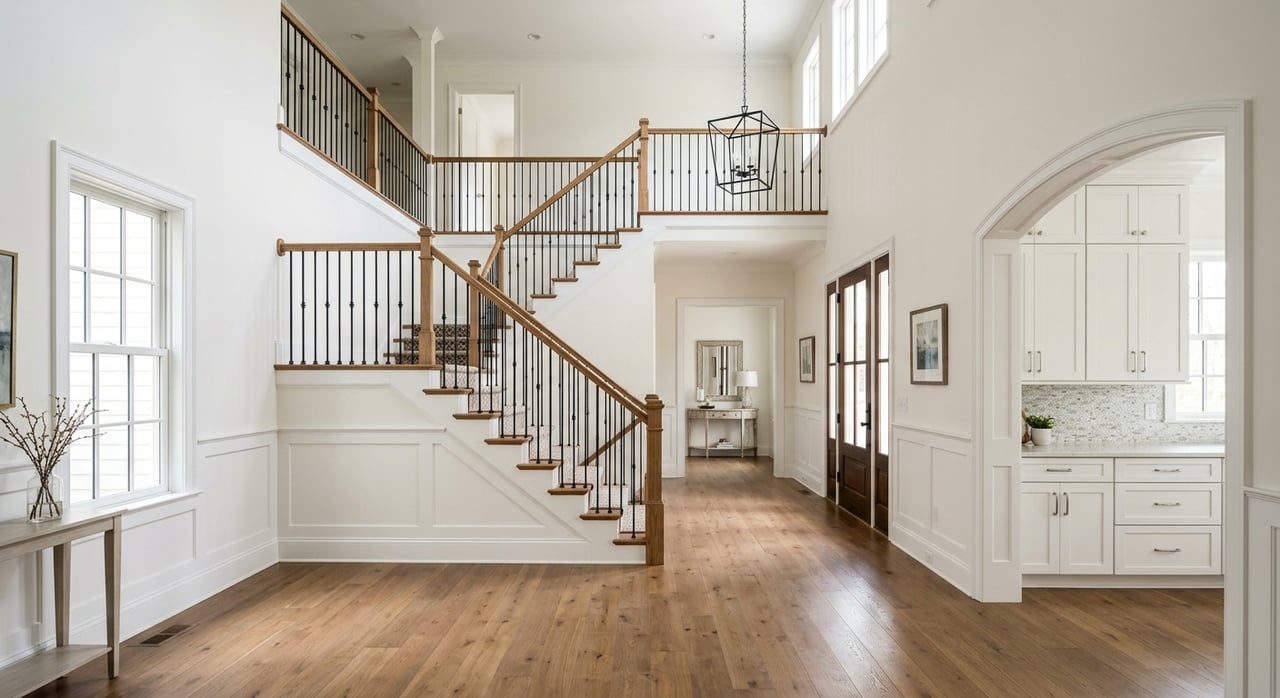
In Clarksville, moving up is often about more than adding one or two bedrooms. Many listings highlight finish level, flexibility, and land. Updated kitchens, finished basements, vaulted ceilings, garage space, pools, and energy-efficient features often show up in buyer searches.
Current and recent examples in the market help show that range. One listing on Welcome Night Path featured a 0.4-acre lot, a 2-car garage, quartz counters, an island, a pantry, a wet/dry bar, and a family room off the kitchen. Other examples included homes on more than 3 acres with detached garages, finished walkout basements, open floor plans, and dual staircases.
At the high end, some properties offer very large acreage and extensive parking or multi-use space. A recent example on Trotter Road spanned 6.34 acres and included a second kitchen, attached and detached garages, and 28 total parking spaces. Not every move-up buyer needs that kind of setup, but it shows how broad the Clarksville market can be.
Clarksville housing stock and style
If you are hoping for brand-new construction, it is important to set expectations early. Clarksville is not heavily driven by new construction inventory. Research shows a median year built of 1998, so many homes come from a more established housing stock.
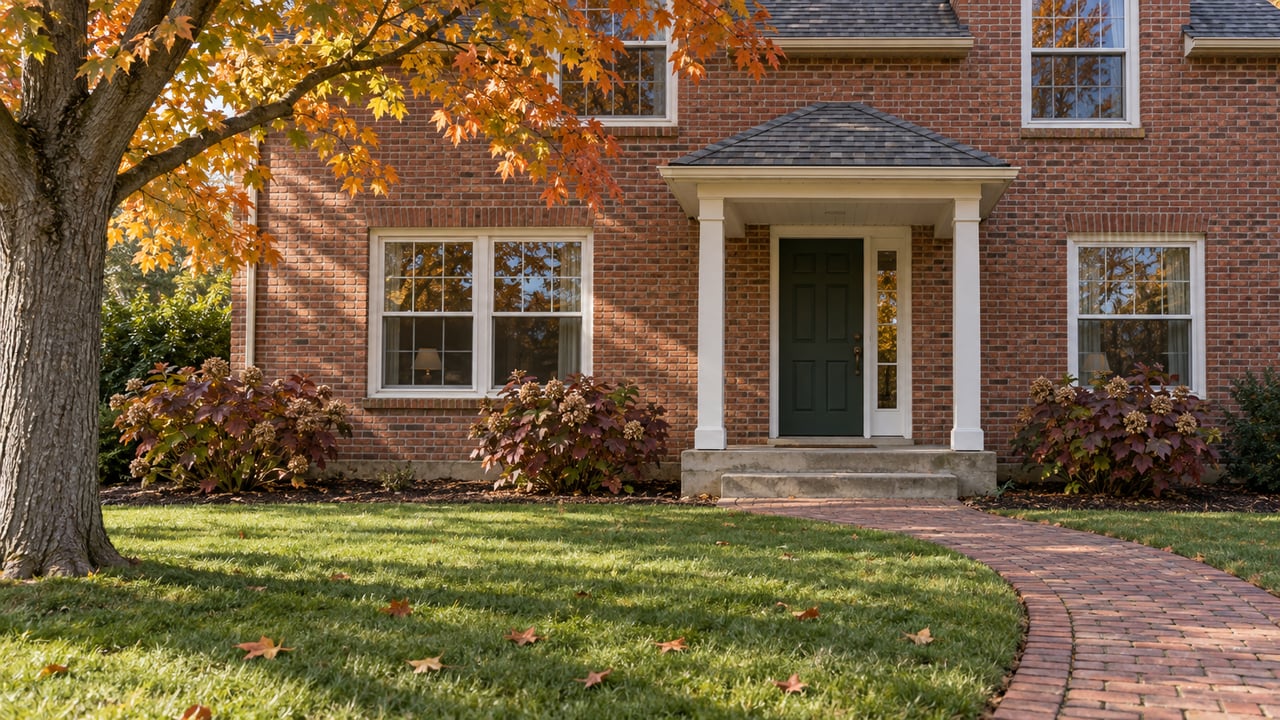
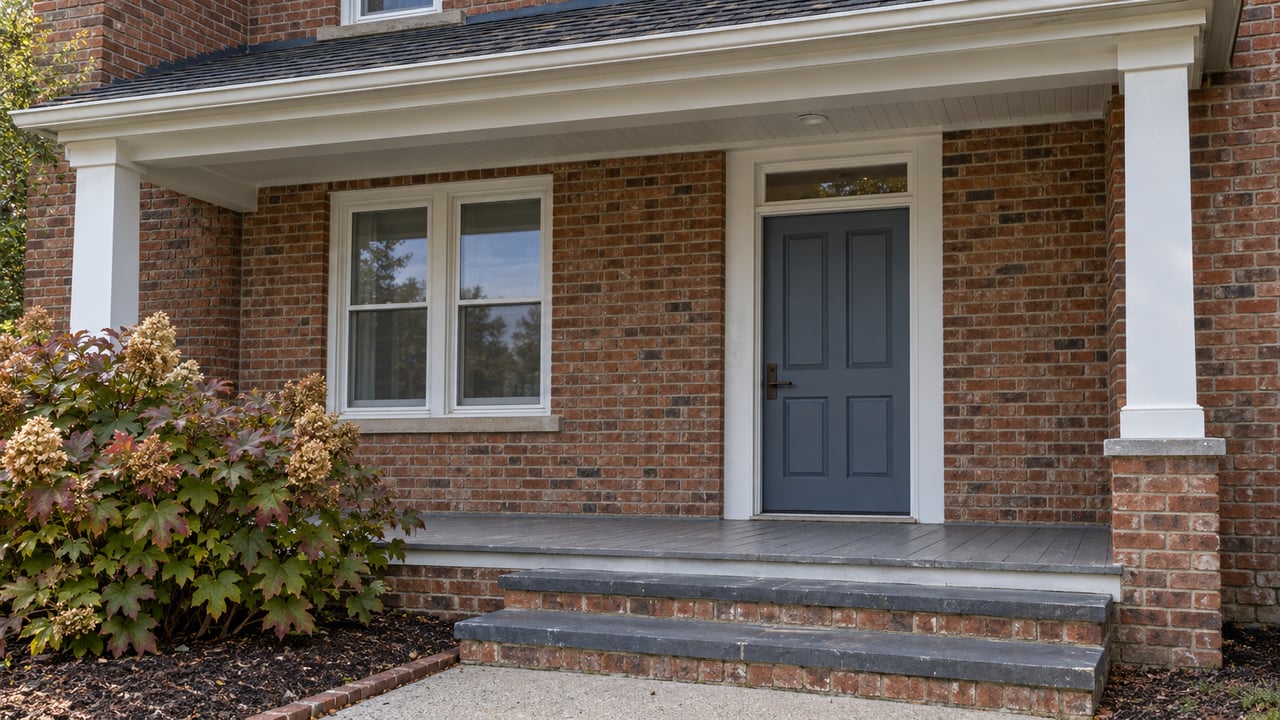
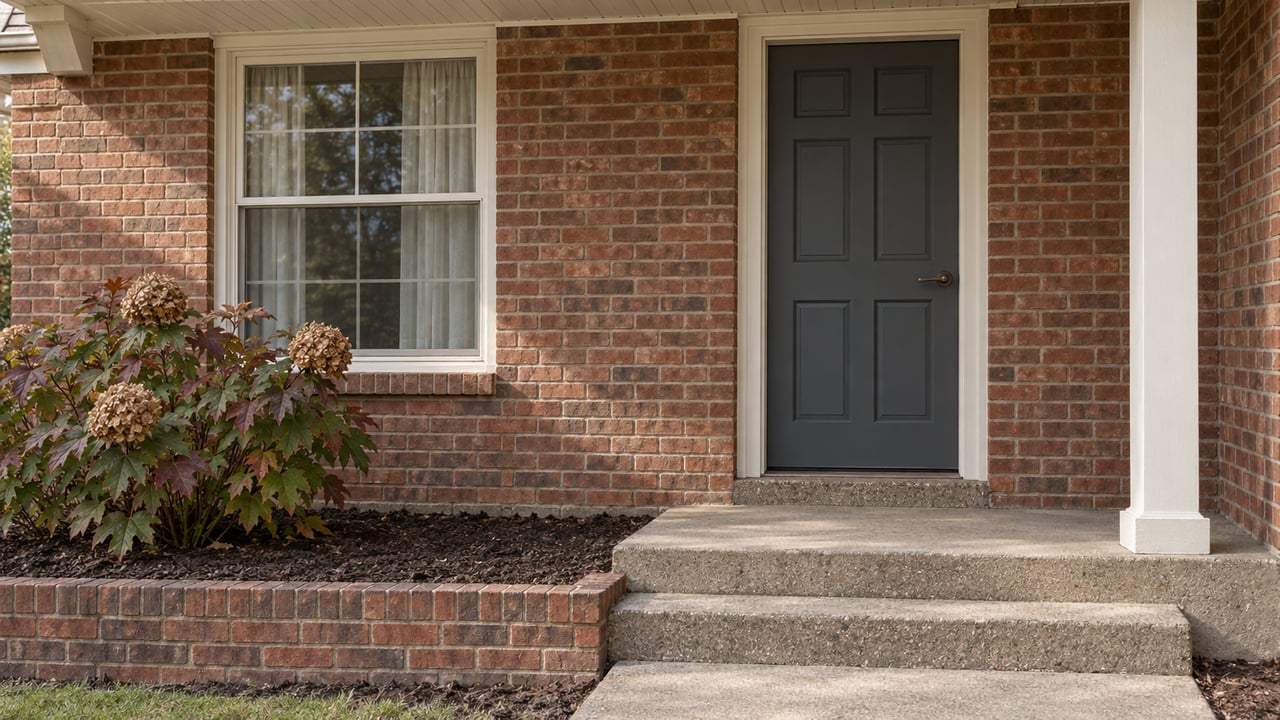
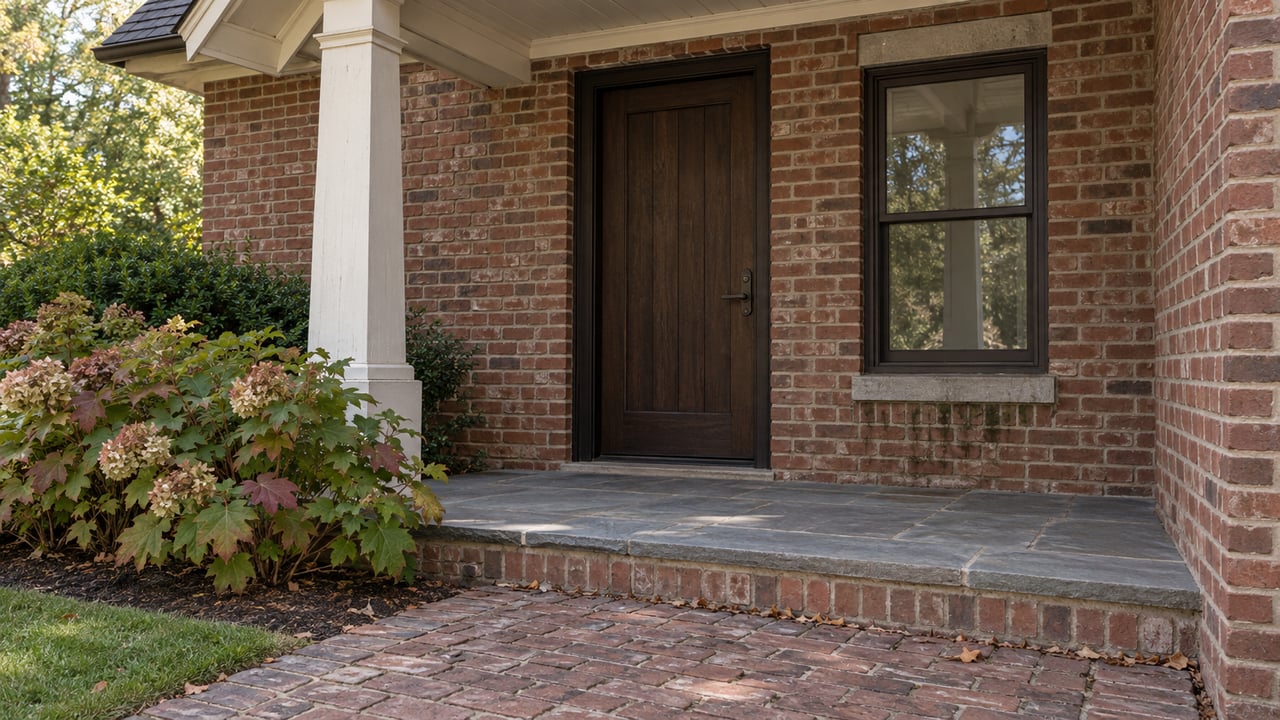
That can still be a strong fit if you value lot size and overall scale. Local housing styles include ramblers, Colonial Revival homes, French Provincial designs, and Craftsman-style estates. Many sit on spacious lots, and the area’s narrower streets often translate into larger lawns.
How competitive is Clarksville?
Clarksville remains competitive, especially compared with the broader Howard County market. Realtor.com reports a median of 19 days on market and a 100% sale-to-list ratio. Inventory counts vary by source and timing, but the larger takeaway is consistent: supply appears limited.
That matters because move-up buyers are often trying to line up both a sale and a purchase at the same time. In a market where well-positioned homes move quickly, preparation can make a real difference. A clear budget, a realistic timeline, and a strategy for contingencies can help you act faster when the right home appears.
Clarksville versus Howard County
It also helps to view Clarksville in context. Maryland Realtors reported a 2025 Howard County median sales price of $619,995 and 1.0 months of supply. HCAR's February 2026 stats showed 283 active listings, 182 closed sales, 144 new listings, a median sold price of $540,000, and 34 average days on market countywide.
Compared with those county figures, Clarksville stands out as a faster-moving and more expensive submarket. That does not mean every home behaves the same way, but it does suggest that buyers moving into Clarksville may need to be more decisive than they would be elsewhere in the county.
Neighborhood variation inside Clarksville
Not every part of Clarksville prices the same way. In March 2026, River Hill showed a median listing price of $949,800 with 24 active listings and 23 days on market. Pheasant Ridge North showed a median listing price of $692,000 with 10 active listings and 28 days on market.
For you, that means the right move-up strategy depends on your target area as much as your wish list. Two homes with similar bedroom counts may land in very different price bands based on neighborhood, lot, updates, and overall presentation. Looking at submarket differences early can help you avoid overgeneralizing Clarksville as one single price point.
Planning your move-up budget
A move-up purchase is not only about the sale price. You also need to account for transaction costs, moving costs, immediate repairs or updates, and the ongoing cost of a larger home. The CFPB notes that closing costs commonly run about 2% to 5% of the purchase price, and it also encourages buyers to budget for repairs, maintenance, and an emergency fund.
That is especially important in a market where many homes are larger and sit on bigger lots. More square footage and more land can bring more upkeep. Before you stretch for the top of your approval range, think about the full monthly and annual ownership picture.
How to sequence your sale and purchase
For most move-up buyers, the biggest question is not whether to move. It is how to manage the timing. There are a few common ways to approach it, and each option has tradeoffs.
Option 1: Sell first, then buy
This is often the clearest financial path. You know how much equity you have available, and you reduce the risk of carrying two homes at once. The main downside is that you may need temporary housing or a very well-timed purchase plan.
Option 2: Buy with a home-sale contingency
A home-sale contingency can allow you to make an offer that depends on your current home selling first. This can help protect you, including your earnest money in certain situations if your home does not sell in time. The tradeoff is that sellers may see this type of offer as less attractive, especially in a competitive market.
Option 3: Buy with a home-close contingency
This structure can help if your current home is already under contract and you mainly need that closing to happen before your next purchase closes. It can reduce some uncertainty compared with a broader home-sale contingency. Even so, the seller of the new home may still want protections such as continue-to-show or kick-out language.
Option 4: Use a bridge loan
For owners with substantial equity, a bridge loan may help unlock funds before the current home sells. This can make it easier to compete without tying your offer to a sale contingency. Because bridge financing is short-term by nature, it is important to weigh cost, timing, and repayment carefully.
Option 5: Negotiate a rent-back
A short rent-back after closing can give you time to stay in your current home briefly after it sells. That extra time may help line up your purchase and move with less pressure. In the right situation, it can create breathing room without delaying the sale itself.
What strong preparation looks like
In Clarksville, good planning often matters as much as good timing. Since inventory is limited and homes can move quickly, you want to be ready before the right listing hits the market.
Focus on these steps first:
- Understand your likely sale proceeds from your current home
- Build a full purchase budget, not just a target price
- Identify your must-haves versus nice-to-haves
- Decide which timing strategy fits your risk tolerance
- Be ready for inspection periods, closing dates, and contingencies in the contract
Sales contracts commonly include an inspection period, a closing date, and any buyer or seller contingencies that must be satisfied before closing. Knowing your comfort level with those terms ahead of time can help you move with less stress once you are under contract.
How to define the right move-up home
The best next home is not always the biggest one. For some buyers, the upgrade is a better kitchen, more usable main-level space, or a finished basement that fits changing needs. For others, it is a larger lot, more garage capacity, or a layout that works better for daily life.
In Clarksville, where homes often come with strong land and amenity packages, it helps to rank what matters most. If you value a spacious lot, established housing stock may be a plus. If you care more about updated interiors, you may want to focus on homes with recent renovations or a more turnkey feel.
Why local guidance matters
A move-up purchase in Clarksville can involve higher price points, tighter inventory, and more complex contract decisions. That is where clear advice matters. When you are balancing a sale, a purchase, and multiple timing options, small details can have a big impact on cost, leverage, and stress.
Working with a broker-led team that understands negotiation strategy, contingencies, and transaction management can help you make cleaner decisions from the start. In a market where speed matters but precision matters too, that combination can be especially valuable.
If you are planning your next move in Clarksville and want a strategy built around your timing, equity, and buying goals, connect with Equity One Realty. You will get high-touch guidance, clear advice, and a practical plan for your next step.
FAQs
What price range should move-up buyers expect in Clarksville?
- Clarksville sits around the $1.05 million to $1.15 million center of the market, with attached homes starting around $435,000 and some estate properties rising above $3.5 million.
How competitive is the Clarksville housing market for move-up buyers?
- Recent data shows a median of 19 days on market and a 100% sale-to-list ratio, which points to a competitive market with limited supply.
What size home is typical in Clarksville?
- Homes.com reports an average single-family size of 4,734 square feet, which shows that Clarksville homes often offer substantial interior space.
How much land do Clarksville homes usually have?
- Research shows a median lot size of 41,382 square feet, and current examples range from about 0.4 acres to more than 6 acres.
What features do Clarksville move-up buyers often look for?
- Common priorities include updated kitchens, finished basements, vaulted ceilings, garage space, pools, energy-efficient features, and low-HOA or no-HOA options.
What is the best way to buy and sell at the same time in Clarksville?
- The best approach depends on your equity, timeline, and risk tolerance, but common options include selling first, using a home-sale or home-close contingency, bridge financing, or negotiating a short rent-back.
How much should buyers budget beyond the purchase price for a Clarksville move-up home?
- In addition to the purchase price, you should plan for closing costs that commonly run about 2% to 5%, plus moving expenses, repairs, maintenance, and an emergency fund.