
Staring at a condo with a higher monthly fee and a townhome with a smaller HOA due, but not sure which costs less over time? You are not alone. In Silver Spring, the fee type and what it covers can change your monthly payment, loan options, and risk exposure. In this guide, you will learn what condo and HOA fees usually include, how they affect financing, and which documents to review before you make an offer. Let’s dive in.
Condo vs HOA ownership at a glance
Condominiums in Silver Spring are often mid to high rises or garden-style buildings. You own the interior of your unit and share common elements with other owners. The association operates the building and common areas.
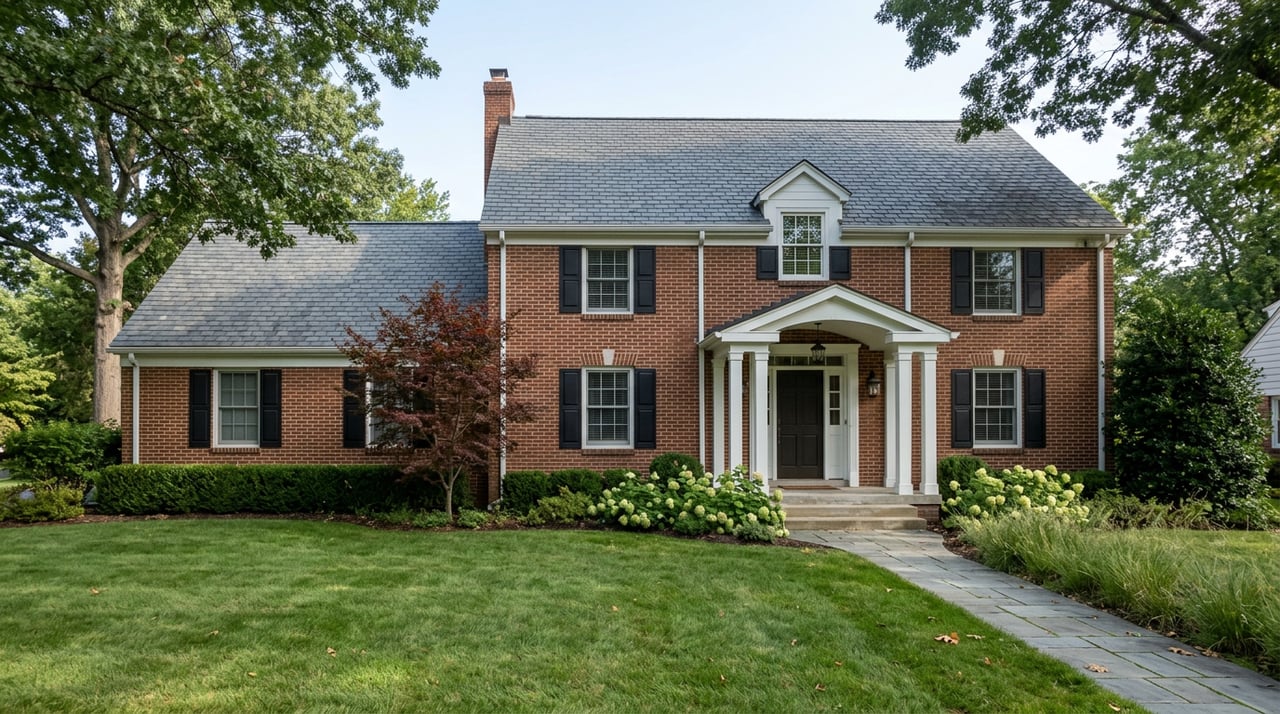
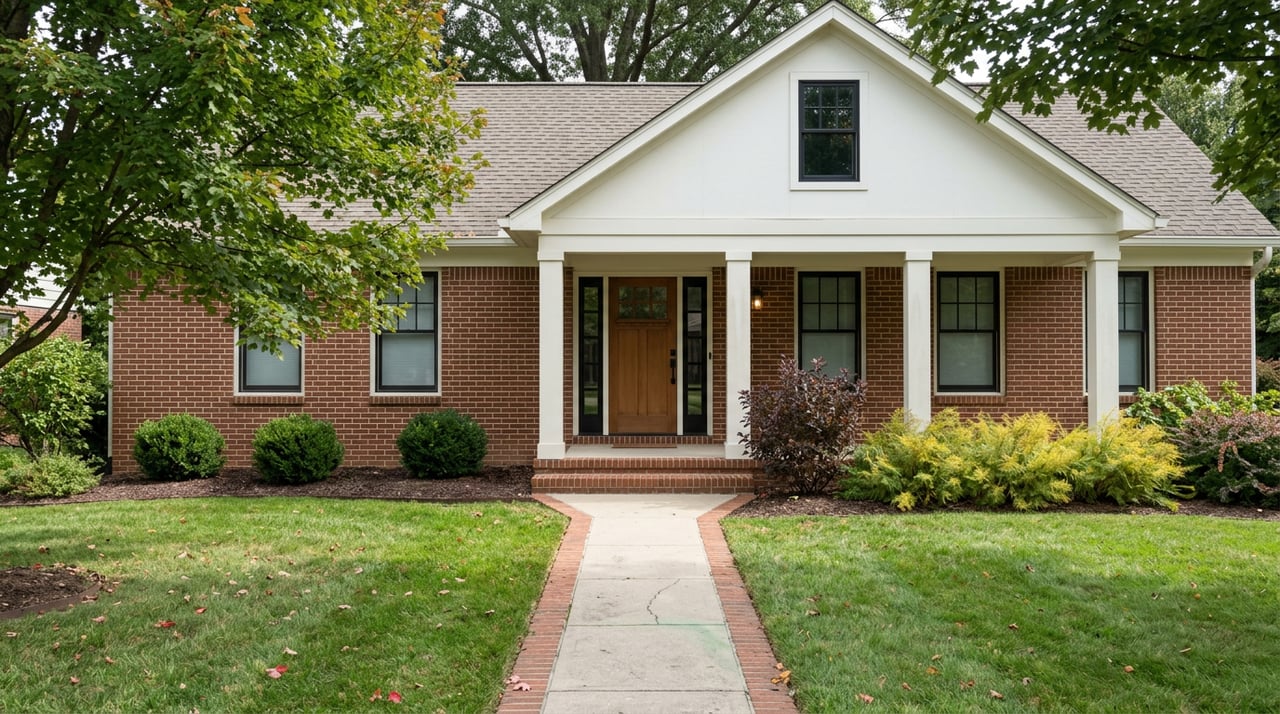
In most fee-simple townhome communities with an HOA, you own the home and the land it sits on. The HOA maintains common areas and enforces community rules. The scope can be minimal or extensive depending on the covenants.
This difference matters for your budget. Condos typically shift exterior and major system costs to the association, which can mean higher monthly fees. HOAs often cover shared spaces but not your home’s roof or exterior, which can mean lower dues but more owner responsibility for big repairs.
Condominiums: what you own and who maintains what
You own the interior as defined by the declaration. The association maintains common elements such as the roof, elevators, and shared systems. You pay a monthly condo fee that funds operations, insurance, reserves, and amenities.
Fee-simple with HOA: where your responsibility begins
You own the structure and the lot. The HOA maintains community features like entrances, landscaping, private roads, or amenities, depending on the governing documents. Your dues usually do not cover your roof, exterior walls, or individual systems unless stated in the covenants.
Why the difference changes fees
Condo budgets must fund building systems, common utilities, and reserves for big-ticket items. HOA budgets focus on shared spaces and services. As a result, condo fees are often higher, but you are also shifting some costs and risk to the association.
What your fee typically covers
Every association is different, so confirm the line items in the governing documents and budget. Common inclusions are:
- Building exterior and common areas: roof, façade, hallways, lobbies, elevators, stairwells.
- Grounds and exterior upkeep: lawn care, trees, mulching, walkways, exterior lighting.
- Utilities: water and sewer for common areas and sometimes units. Heat, hot water, or central HVAC may be included in some Silver Spring condo buildings. Electric and gas for individual systems are less often included.
- Trash and recycling: regular pickup and sometimes bulk pickup.
- Snow removal: private drives, parking areas, and walkways, especially in townhome communities.
- Building systems: boilers, pumps, common-area HVAC, fire suppression inspections.
- Master insurance: covers common elements and building structure per the declaration. Unit owners still carry HO-6 policies.
- Reserves: contributions for future major repairs such as roof replacement, elevator modernization, or paving.
- Management and admin: management company fees, bookkeeping, legal, accounting, tax filings.
- Amenities and services: pools, gyms, concierge or security, parking garage upkeep, community rooms.
- Compliance and contracts: pest control, elevator inspections, fire inspections, and other requirements.
- Parking and storage: maintenance, lighting, and snow removal for parking areas; separate fees may apply for assigned or garage spaces.
- Miscellaneous: bulk cable or internet contracts or security systems, if applicable.
Master insurance 101
The association’s master policy covers common elements and part of the building structure. You still need an HO-6 policy for your interior finishes, personal property, and liability. Coverage scope depends on the declaration:
- Bare walls out: the master policy covers structure up to the unfinished interior surface. You cover interior finishes and fixtures.
- Walls-in: the master policy includes some interior finishes and fixtures. Verify details.
Pay attention to the deductible. A large master deductible can lead to a special assessment after a claim. Ask how deductibles are handled and how similar claims have been managed in the past.
How fees change your monthly payment
Lenders count condo and HOA fees as part of your monthly housing obligation. Your budget should include mortgage principal and interest, property taxes, homeowners insurance, and the monthly fee. Add utilities that are not covered by the association.
Here is an illustrative example. If mortgage principal and interest are $1,800, taxes are $350, insurance is $75, and the condo fee is $450, your total monthly housing cost is $2,675. Always use the actual numbers for the property you are evaluating.
Loan programs and condo project approval
For condos, lenders review the project’s financial health and eligibility. Conventional loans may require certain owner-occupancy levels, reserve funding, and low delinquency rates. FHA and VA loans have project approval processes. Pending litigation or special assessments can affect approval and pricing.
Taxes and insurance cost layering
Condo or HOA dues are generally not tax-deductible for owner-occupants. Portions may be deductible when a unit is rented or used for business. Consult a tax professional for guidance. Your HO-6 policy needs to coordinate with the master policy, and the master policy scope can influence your HO-6 cost.
How to vet an association before you buy
A thorough review reduces surprises. Ask for the full resale package and review it carefully.
Documents to request
- Current operating budget and recent financial statements.
- Reserve study and reserve balance history.
- Board meeting minutes for the last 12 to 24 months.
- Master insurance declarations and an insurance summary.
- Bylaws, declaration, rules, and amendments.
- Any pending or recent special assessments and planned capital projects.
- Management agreement and major vendor contracts.
- Litigation disclosures or known claims.
- Recent reserve withdrawals and capital expenditure invoices.
- Parking and storage allocations, plus any separate fees.
Questions to ask
- What exactly does the monthly fee cover, line by line?
- How much is in reserves today, and what percent funded is the target?
- When was the last reserve study, and when is the next one scheduled?
- Have there been special assessments in the last 5 to 10 years? Why?
- Is there pending litigation or known claims?
- What is the current delinquency rate for dues?
- What capital projects are planned for the next 1 to 5 years?
- Are any utilities for units included or billed separately?
- What are the rental and short-term rental policies?
- Who is responsible for roofs, windows, and exterior repairs?
- What are the rules on alterations, subleasing, and pets?
Red flags to watch for
- No reserve study or severely underfunded reserves.
- Repeated or large recent special assessments.
- High delinquency in dues payments.
- Ongoing litigation or significant claims.
- Unusually high management or legal expenses.
- Big capital projects ahead with no funding plan.
- Vague language about maintenance responsibilities.
Silver Spring market context
Building age and type matter. Older high-rises may face larger capital projects such as roof replacement, façade repairs, or elevator modernization. Newer buildings sometimes start with lower dues that rise as reserves are built and systems age.
Location affects preferences. Proximity to Downtown Silver Spring and Metro access can increase demand for condos. Some buyers will accept higher dues for strong amenities and convenience if reserves and maintenance are well managed.
Townhome HOA dues in Silver Spring vary. Communities with private roads, snow removal, or recreational amenities often have higher dues than neighborhoods with simple landscaping and lighting.
Smart comparison steps
Use the same method for each property so you can compare apples to apples.
- List what is covered by the fee. Note any included utilities, parking, or storage fees.
- Calculate the full monthly cost. Add mortgage, taxes, homeowners insurance, and the fee, plus utilities not covered.
- Review reserves and the reserve study. Look for adequate funding and a clear plan for big-ticket items.
- Check special assessment history. Identify the causes and amounts.
- Confirm master policy coverage and the deductible. Coordinate with your HO-6 needs.
- Ask about project eligibility if it is a condo. Verify owner-occupancy, delinquency, and any litigation.
- Align the rules with your plans. Review policies on rentals, pets, alterations, and parking.
A clear, side-by-side view will help you see where a higher fee actually buys risk reduction or valuable services, and where a low fee may signal future costs.
Choosing between a Silver Spring condo and an HOA community is not only about the sticker price. It is about understanding what you are paying for, how stable the association is, and how that risk profile fits your budget and goals. If you want a calm, contract-smart process and a steady guide through the documents, we are here to help.
Ready to compare specific properties or review a resale package? Connect with Equity One Realty for clear, legally informed guidance tailored to your needs.
FAQs
What is the difference between condo and HOA fees in Silver Spring?
- Condo fees fund building operations, master insurance, reserves, and shared systems; HOA dues typically fund common area upkeep and amenities, not your home’s roof or exterior unless stated in the covenants.
Are condo fees usually higher than HOA dues?
- Often yes, because condo budgets cover building systems, common utilities, and larger reserves, while many HOAs focus on shared spaces and services.
What does the master insurance policy cover, and do I still need HO-6?
- The master policy covers common elements and some or all structural components per the declaration; you still need an HO-6 policy for interior finishes, personal property, and liability.
How do fees affect my mortgage approval on a condo?
- Lenders count monthly dues in your debt-to-income ratio and may require the condo project to meet eligibility standards on reserves, occupancy, delinquency, and litigation.
Which documents should I review before buying in an association?
- Ask for the budget, financials, reserve study, board minutes, master insurance declarations, bylaws and rules, special assessment history, planned projects, litigation disclosures, and parking or storage details.
Are HOA or condo dues tax-deductible for owner-occupants?
- Generally no; they may have deductible portions if the property is rented or used for business, so consult a tax professional for specifics.