Thinking about moving to Silver Spring and curious how your daily routine and commute will actually feel? You are not alone. With a strong transit hub, lively downtown, and leafy neighborhoods nearby, it can be hard to picture the day-to-day until you break it down. In this guide, you will get a clear view of neighborhoods, lifestyle anchors, and commute choices so you can match your priorities to the right part of town. Let’s dive in.
Silver Spring at a glance
Silver Spring’s Census-designated place has about 81,400 residents with a median age near 35.6 years. Housing is a balanced mix with roughly 38% owner-occupied and 62% renter-occupied homes. Median values show owner home value around $643,300 and median gross rent about $1,913 per month. Commutes are diverse: mean travel time is about 34 minutes, about 45% drive alone, 13.8% use public transit, and around 27% work from home. These figures come from the American Community Survey and set helpful expectations for what is typical in the area. See the ACS summary.
Neighborhoods and housing types
Downtown and transit core
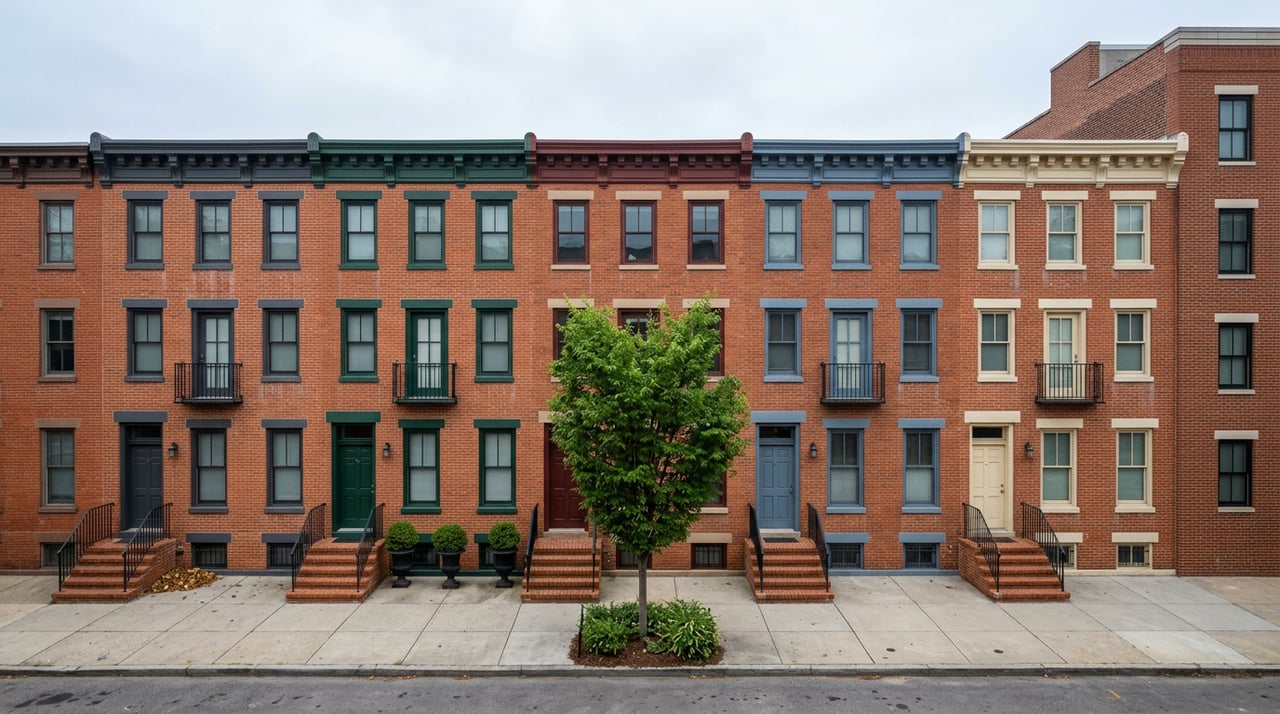
Downtown Silver Spring is transit-oriented with mid and high-rise condos, ground-floor retail, and cultural venues centered on the Silver Spring Metro and the Sarbanes Transit Center. County planning has focused density and walkability here, creating a true urban hub within suburban Montgomery County. You will see many 1–2 bedroom units and an active street scene near the Metro. Learn more about the Silver Spring CBD and its planning vision on Montgomery Planning’s page.
Inner residential neighborhoods
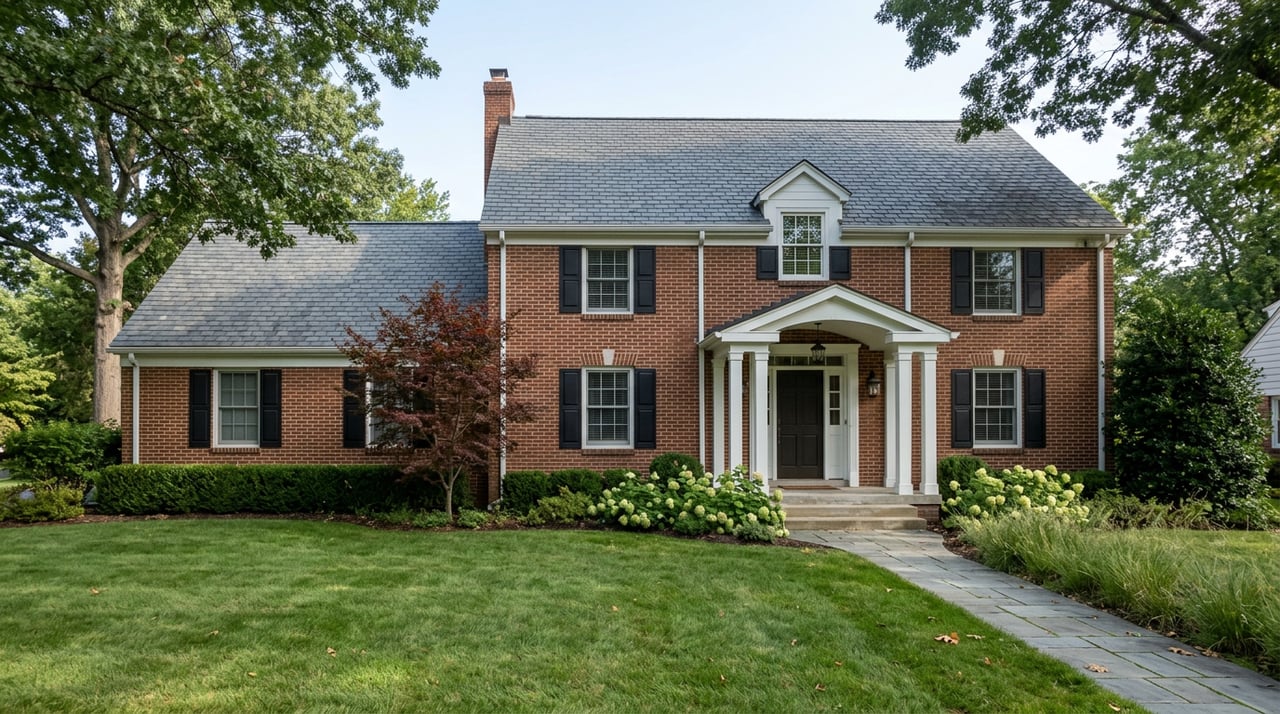
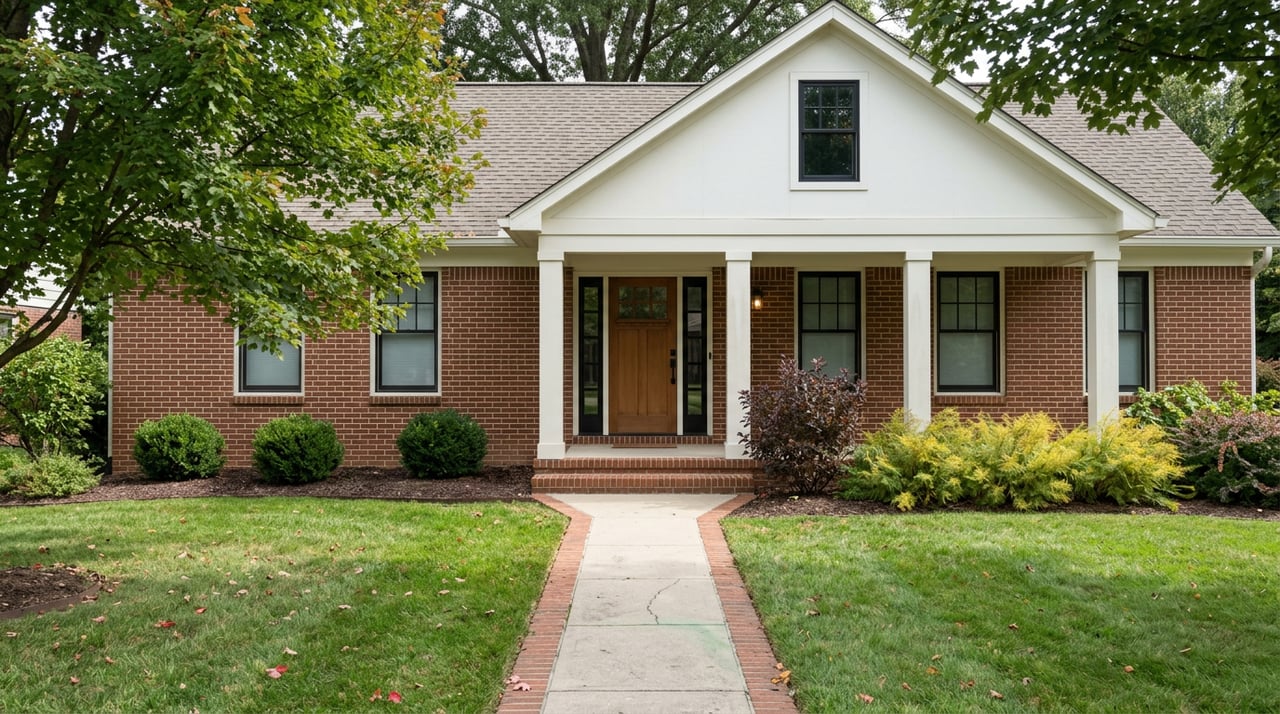
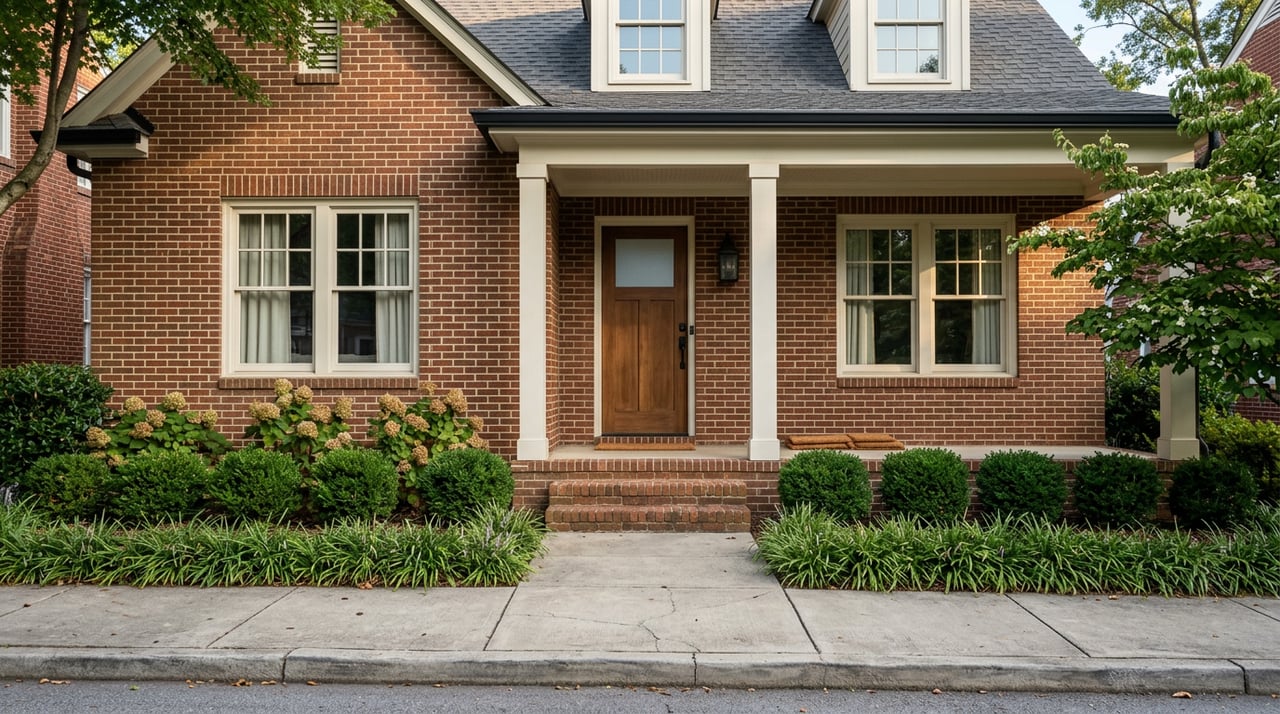
Just outside downtown, established neighborhoods such as Woodside, Forest Glen, and Long Branch feature mid-century single-family homes and garden-style apartments. Many homes date from the 1940s–1950s, offering yards, multi-bedroom layouts, and quieter streets. You are typically 5–15 minutes by car or bus from the transit center while enjoying more space.
Greater “Silver Spring” mailing area
The postal “Silver Spring” address covers a broader area than the CDP, including places like Four Corners, Kemp Mill, Wheaton, Forest Glen, and White Oak. Clarify whether you mean the downtown/CDP core or the larger mailing area when comparing locations. This distinction helps you align commute expectations and housing types with what you will actually experience.
Daily life highlights
Arts, culture, and evenings out
The AFI Silver Theatre & Cultural Center anchors film and events downtown and is a short walk from the transit center. Live music and performance venues, including the Fillmore, add to a lively evening calendar. For current happenings and public events, check the Downtown Silver Spring calendar, which also highlights seasonal programming on Veterans Plaza and Ellsworth Drive. Explore the AFI Silver Theatre and the Downtown Silver Spring events calendar.
Markets, dining, and shopping
On Saturdays, the Silver Spring Farmers Market on Ellsworth Drive is a regular stop for fresh produce and local vendors. You will also find a range of independent eateries across Ethiopian, Korean, Latin American, and other cuisines in the downtown mix. This variety is a big part of the local routine—quick lunches, coffee meetups, and easy weeknight dinners. Find market dates and downtown programming on the events calendar.
Parks, trails, and outdoor access
For everyday exercise or a quiet stroll, the Sligo Creek Trail offers about 10.2 miles of paved trail through Silver Spring’s green corridor. Nearby, Brookside Gardens inside Wheaton Regional Park provides 50 acres of display gardens and seasonal exhibits. These green spaces are standouts if you want quick outdoor access without a long drive. Learn more about the Sligo Creek Trail and Brookside Gardens.
Commute options made simple
Red Line and the transit hub
Silver Spring’s Red Line station and the Sarbanes Transit Center centralize Metro, Metrobus, and Montgomery County Ride On services. For many downtown D.C. jobs, the Red Line offers a one-seat or single-transfer rail ride. See station context and rail connections on the Silver Spring station overview.
MARC commuter rail
Silver Spring is also a MARC Brunswick Line stop, giving weekday commuters another rail option with connections at Union Station. This can be a useful alternative to Metro, depending on your schedule. Review MARC station details on the MARC station information page.
Purple Line and service changes
The Purple Line light rail is under construction and will bring an east–west connection linking Silver Spring with Bethesda, College Park, and more. Expect some intermittent construction impacts and new transfer patterns once service begins. Track progress on the Purple Line construction updates page, and check WMATA advisories before specific trips when planning around scheduled work.
What the data say
Local commuters use a mix of modes. The mean travel time is about 34 minutes, with many residents driving, a meaningful share using transit, and a significant number working from home. Expect different patterns by neighborhood, with higher transit use close to the Metro hub and more driving farther out. Review the ACS snapshot here: Silver Spring ACS summary.
Job centers and how they connect
- Downtown Washington, D.C.: Red Line provides a direct or single-transfer rail path for many roles. Door-to-door time depends on your starting point and time of day.
- Bethesda and NIH: Reachable by short drive or bus/rail connections; the Purple Line will add a future rail option for cross-county trips.
- Rockville and I‑270 corridor: Typically a drive that varies with traffic and your exact origin.
- Nearby federal campuses: The FDA White Oak campus and NOAA headquarters functions are in or near Silver Spring, which can reduce commute times for some roles. See the FDA White Oak overview.
Which neighborhood fits your commute
Use this quick guide to match lifestyle and commute style:
| Commute priority | Consider these areas | Why it works |
|---|---|---|
| Transit-focused routine, aiming for sub-40-minute trips | Downtown Silver Spring or blocks near the Metro | Short walk to Red Line and bus hub; frequent service options |
| Quieter streets with garage and yard | Woodside, Forest Glen, Long Branch, Kemp Mill | Single-family homes and garden-style options within a short drive to the transit center |
| Work-from-home with occasional office trips | Inner neighborhoods near Sligo Creek | Easy bike or bus access to downtown; green space for breaks |
| MARC rail access | Within walking distance of Silver Spring station | Adds commuter rail to your toolkit alongside Metro |
These are starting points. For door-to-door timing, use live trip planning before tours, especially if rail service changes or construction is scheduled.
What it costs to live here
Costs vary by neighborhood and building type, but the ACS gives a solid snapshot. The median owner home value is about $643,300, and median gross rent is about $1,913 per month. With a 38% owner and 62% renter split, you will find a wide range of condos, apartments, townhomes, and single-family options throughout the area. See the data detail in the ACS summary.
Tips for smoother commutes
- Time a test run. Try your commute on a typical weekday during your expected departure window.
- Check service advisories. Review WMATA and MARC notices for planned work before making firm timing promises.
- Use bus feeders. Montgomery County Ride On and Metrobus provide coverage that can shorten first- and last-mile segments to the Red Line.
- Consider a bike segment. Sligo Creek Trail and local streets can offer predictable travel times for part of the trip.
- Be flexible. Many residents mix modes across the week, especially with hybrid work schedules.
Ready to explore homes?
If Silver Spring fits your routine, we are here to help you weigh trade-offs, tour the right blocks, and negotiate a confident contract. Reach out to schedule a consult with Equity One Realty. Want to gauge selling power before you move? Get Your Instant Valuation.
FAQs
How long is the average Silver Spring commute?
- The mean travel time is about 34 minutes, according to the ACS for the Silver Spring CDP. See the ACS summary.
Is downtown Silver Spring walkable and transit-oriented?
- Yes, the County’s CBD planning emphasizes density and walkability around the Red Line and transit center; review the Silver Spring CBD planning page.
What rail options connect Silver Spring to D.C.?
- The Red Line serves the Silver Spring station, and the MARC Brunswick Line adds commuter rail access; see the station overview and MARC station info.
Where can I find parks and trails nearby?
- Sligo Creek Trail offers about 10.2 miles of paved trail, and Brookside Gardens in Wheaton Regional Park is a 50-acre display garden; learn more about Sligo Creek Trail and Brookside Gardens.
What is the difference between the CDP and the mailing address?
- The Silver Spring CDP refers to the defined Census area centered on downtown, while the postal address covers a wider area that includes nearby communities; the CBD planning page helps frame the core transit-focused district.