Imagine waking up to quiet morning light on the Severn River, coffee in hand, and your kayak or boat just steps away. If that sounds like your kind of morning, Severna Park may be a great fit. Waterfront living here blends relaxed, on‑the‑water fun with a few important ownership details you need to plan for. In this guide, you’ll learn how access works, what upkeep really costs, which permits matter, and how to check flood and insurance. Let’s dive in.
The Severn River and location
The Severn River is a tidal estuary that opens to the Chesapeake Bay. It is an active recreational corridor with marinas, boatyards, and local clubs, and it shapes daily life in Severna Park. You can get a feel for the river’s role in the community from the county’s overview of the tidal Severn.
Tides matter. Like much of the Chesapeake, the Severn sees two tides a day and a modest daily range. Wind and storms can raise or lower water levels, so boaters often check local gauges when planning trips.
Severna Park sits just north of Annapolis. The distance to downtown Annapolis is roughly 6 to 9 miles depending on route, and regional access to Baltimore and BWI uses I‑97 and US‑50 along with other connectors. Travel times vary with traffic, so plan commutes with live mapping as you narrow your search.
Everyday lifestyle on the water
If you enjoy boating, sailing, paddling, or crabbing, you will feel at home here. The Severn supports a strong boating culture, and Annapolis nearby is a regional yachting hub. Many residents use small local marinas or neighborhood facilities, while others rely on county access.
Public access is real, even if you do not live on the water. Anne Arundel County manages a network of ramps and cartop launches across the area. You can review locations and rules on the county’s boat ramps and launches page. This is handy for trailering a boat, launching kayaks, or planning a day on the river with friends.
Community piers and shared slips
In Severna Park, “waterfront” and “water‑access” are different experiences. Many neighborhoods offer a community beach, pier, kayak racks, or a boat‑launch area for members. Some subdivisions prioritize shared access and do not allow private piers on individual lots. That is by design and is set out in recorded subdivision rules and county code. To understand why a street may have a community pier but no private docks, review the county’s rules on piers and community facilities in Article 18, Section 18‑2‑404.
The takeaway is simple. Always verify whether a property has private slip rights, relies on a community pier, or has no direct slip option at all. Ask for HOA documents, easements, and current slip waitlist status early in your search.
Home types and typical features
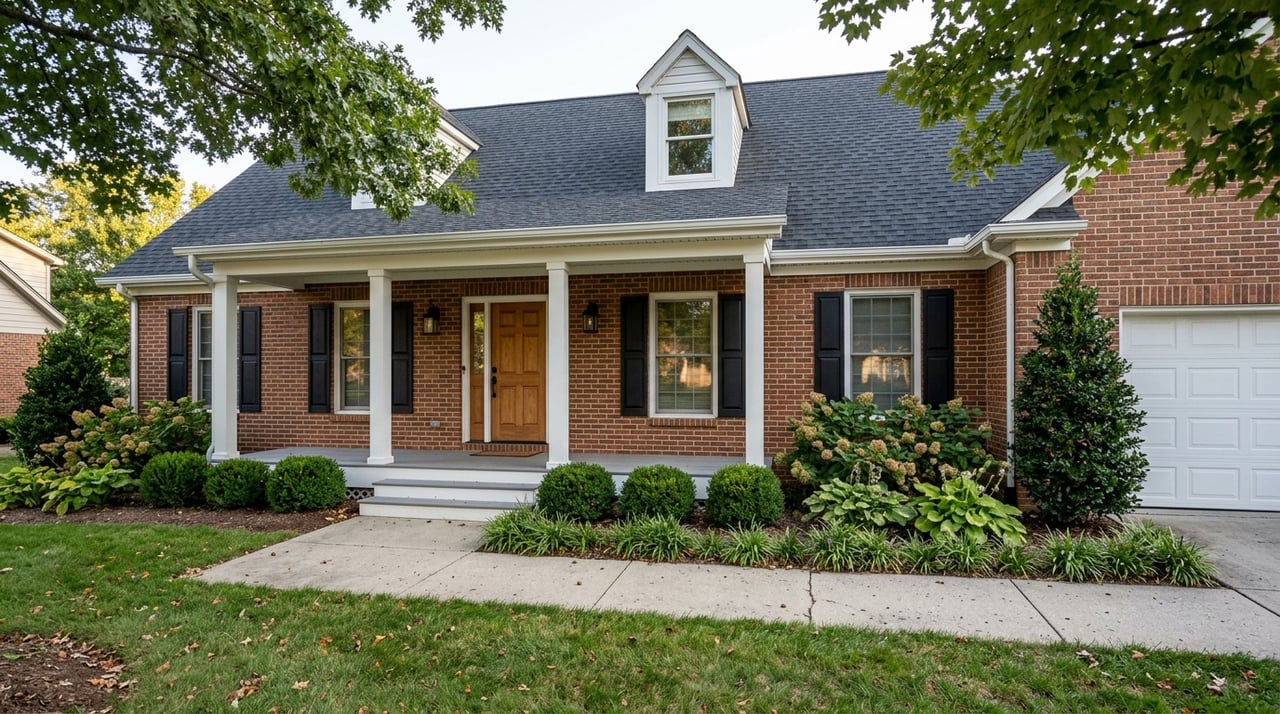
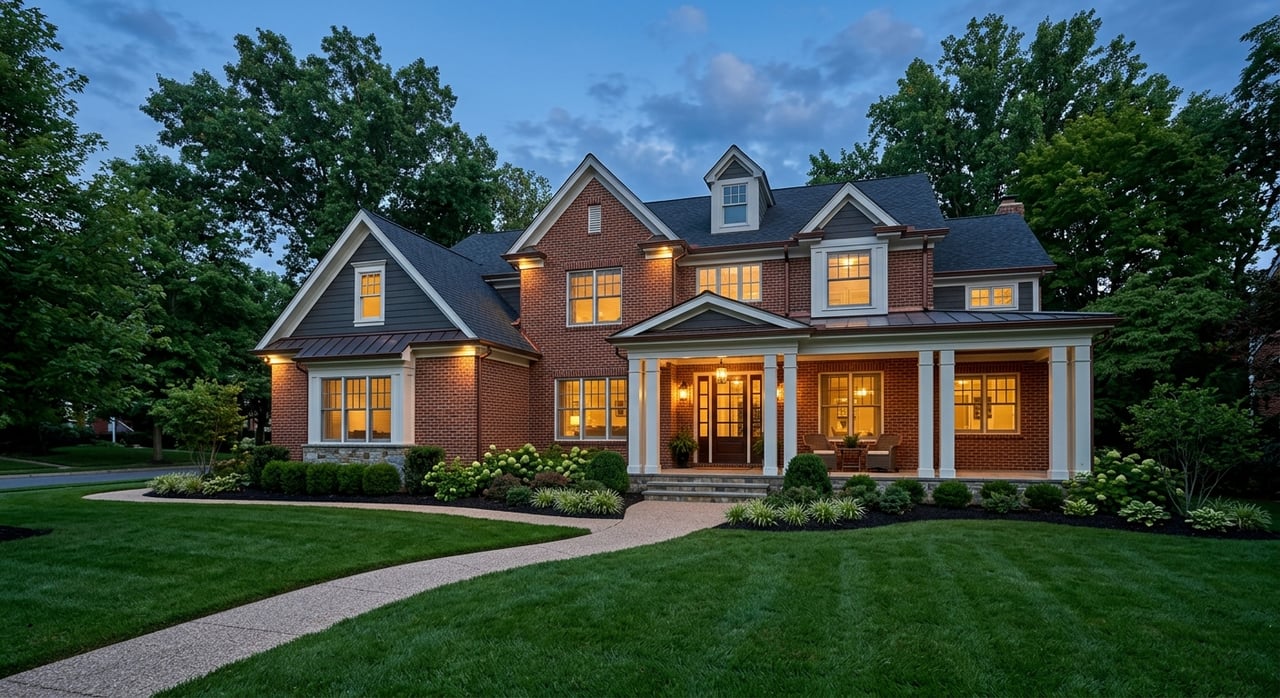
You will see a mix of housing along the Severn in Severna Park. Older cottage lots sit beside renovated colonials and larger custom homes. Over time, many shoreline cottages have been rebuilt or significantly updated. Expect a range of waterfront settings, from cozy, tree‑lined parcels to larger estate‑style lots.
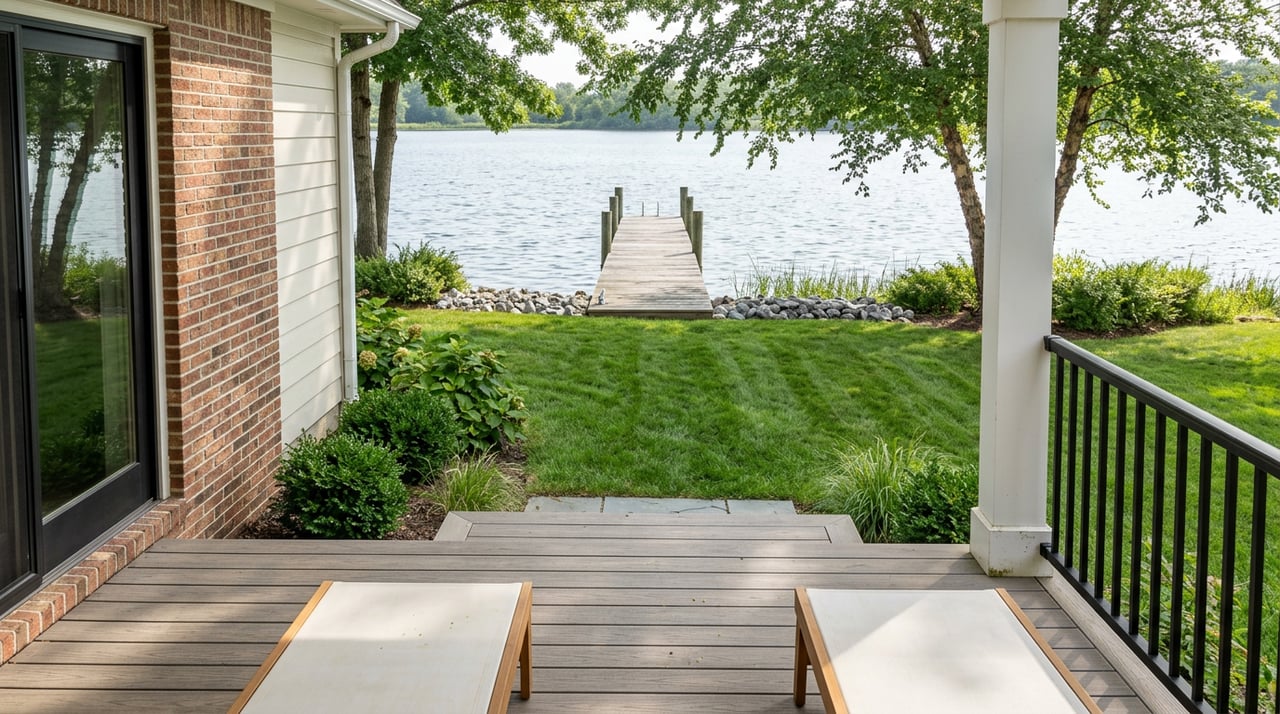
Common features on waterfront listings include private docks or piers, boat lifts, bulkheads or riprap, terraces and decks, and stairways to the water. Do not assume a dock or lift is automatically permitted or transferable. You should confirm permit history and any recorded agreements before you rely on a feature.
Costs and maintenance to plan for
Waterfront homes carry a few extra line items. These planning figures help you budget, but you should always get site‑specific quotes.
- Bulkheads and seawalls. Typical residential replacement often runs about 150 to 600 dollars per linear foot, depending on material, site access, and permitting. See cost drivers and examples in this seawall and bulkhead cost overview.
- Docks and lifts. Small, simple docks can start in the low tens of thousands, while larger custom piers with lifts, utilities, and premium decking commonly reach 25,000 to 75,000 dollars or more. Soil, depth, and access change the price. Get at‑site bids from local marine contractors.
- Annual upkeep. A conservative rule of thumb for waterfront homes is to set aside about 2 to 4 percent of property value per year for general maintenance and periodic shoreline or dock projects. This is broader than the 1 percent some owners use for inland homes. See a discussion of maintenance planning ranges here, then refine with quotes for your target property.
Salt air, moisture, and storms increase wear on metals, fasteners, and finishes. Regular inspections and preventive work usually save money over time.
Flood, insurance, and boat costs
Flood exposure is property specific. Lenders rely on FEMA maps to decide if flood insurance is required for a loan. As a first step on any address, look it up on FEMA’s Flood Map Service Center and ask the seller for any elevation certificate on file.
Flood insurance pricing changed with the rollout of Risk Rating 2.0. Premiums now reflect a property’s specific characteristics, including distance to water, foundation type, first‑floor elevation, and replacement value. Two similar homes can have very different premiums. Learn how the new methodology works and why address‑specific quotes matter from this Risk Rating 2.0 overview. It is smart to get both NFIP and private‑market quotes during your contingency window.
If you keep a boat, budget for insurance and storage. Premiums vary by boat size, type, and coverage, but many owners pay from the high hundreds into the low thousands per year. This boat insurance explainer outlines common factors. Marina slip fees are market driven and may involve waitlists in popular communities, so confirm availability early.
Permits, rules, and environmental programs
Shoreline and in‑water work is regulated. Constructing, replacing, or altering docks, bulkheads, riprap, or similar structures usually triggers multiple approvals. Anne Arundel County’s Inspections and Permits department outlines submittal requirements for piers, bulkheads, and revetments on its permit page. Many waterfront parcels also sit within the state‑regulated Critical Area, which affects buffers and plantings. You can read more about the Critical Area program on the county’s overview page.
County code also sets rules on pier placement, maximum extension, and how community piers are handled. In many subdivisions, the presence of a community pier means private individual piers are not allowed. Review details in Article 18, Section 18‑2‑404 and confirm the HOA’s governing documents.
Maryland encourages “living shorelines” where feasible. These use marsh plantings and natural stabilization, which help protect habitat and can perform well in many settings. Where conditions do not support a living shoreline, hard structures may be permitted with justification. Read more about state policy on living shorelines as you weigh options with your contractor.
Local groups and agencies also track water quality and restoration work. Staying aware of current projects, grants, and best practices can help you plan improvements that fit local expectations and approval timelines.
Seasons and storm prep
Peak on‑water life runs from late spring through early fall. Warm weekends fill with boating, paddle sports, and casual cruises to nearby destinations. Maryland’s recreational blue crab season broadly runs from April 1 to December 15, with gear, size, and registration rules that vary by method.
Hurricane and tropical season in the Atlantic is June 1 through November 30. See timing and preparedness tips from the National Hurricane Center’s season overview. Waterfront owners usually plan a storm checklist that covers boats and docks, shoreline structures, basement or low‑level moisture protection, and insurance review.
Buyer due diligence checklist
Use this list to move from “dreaming” to “ready to write” with fewer surprises:
- Verify waterfront vs water‑access. Ask for a current survey that shows the mean high water line, recorded easements, and any pier or slip agreements. Neighborhoods with community piers often prohibit private piers. See county rules in Section 18‑2‑404.
- Pull FEMA flood data early. Look up the address on FEMA’s Flood Map Service Center, request the seller’s elevation certificate if available, and get NFIP and private quotes under Risk Rating 2.0.
- Check permit history for shoreline structures. Confirm that docks, bulkheads, or revetments were permitted and closed. Start with Anne Arundel County’s permit page and ask for documentation.
- Review HOA rules if applicable. Request community slip allocation procedures, any waitlist, maintenance reserves, and recent special assessments.
- Arrange specialized inspections. Have a marine contractor assess dock condition, depth at the pier, and moorage for your intended boat. Include a home inspection that looks carefully at moisture, corrosion, and HVAC.
- Confirm utilities and septic or sewer status. Older waterfront pockets may be on septic. If sewer is available, verify hookup history and capacity. Properties in the Critical Area can have additional constraints. See the county’s Critical Area overview.
- Plan realistic budgets. Use the seawall cost guide for baseline numbers, then get local bids. See seawall and bulkhead cost ranges. Set aside a 2 to 4 percent annual maintenance reserve and adjust by age and condition.
What to expect day to day
You get miles of shoreline, an easy on‑ramp to the Chesapeake, and a community that prioritizes time on the water. In return, you plan a bit more carefully. You check tides before a cruise, you stay current on permits and HOA rules, and you budget for shoreline care. With the right guidance, the lifestyle is rewarding and manageable.
If you are ready to explore Severna Park waterfront or water‑access homes, we can help you evaluate access rights, confirm permits, and model true ownership costs before you write. For clear, legally informed representation and a smooth process, connect with Equity One Realty.
FAQs
How does the Severn River’s tide affect daily life?
- Expect two tides per day and occasional wind‑driven water level swings, which can influence dock clearance and boating plans.
What is the difference between waterfront and water‑access in Severna Park?
- Waterfront lots meet the water and may have private docks, while water‑access homes use a community beach, pier, or launch subject to HOA rules and availability.
Do I need a permit to build or repair a dock or bulkhead?
- Yes. Shoreline work typically requires county approvals and often state Critical Area review; start with the county’s pier, bulkhead, and revetment permit guidance.
Where can I find the rules on private and community piers?
- Anne Arundel County code outlines placement, length, and community‑pier provisions. See Article 18, Section 18‑2‑404.
How do I check flood risk and insurance requirements?
- Look up the property on FEMA’s Flood Map Service Center, then get address‑specific quotes under Risk Rating 2.0 to understand likely premiums.
What does seawall or bulkhead work cost?
- Planning figures often fall around 150 to 600 dollars per linear foot, with materials, access, and permitting driving the range. See this seawall cost guide.
When is hurricane season here, and how should I prepare?
- Atlantic season runs June 1 to November 30. The National Hurricane Center’s overview is a good starting point for planning boat and property checklists.