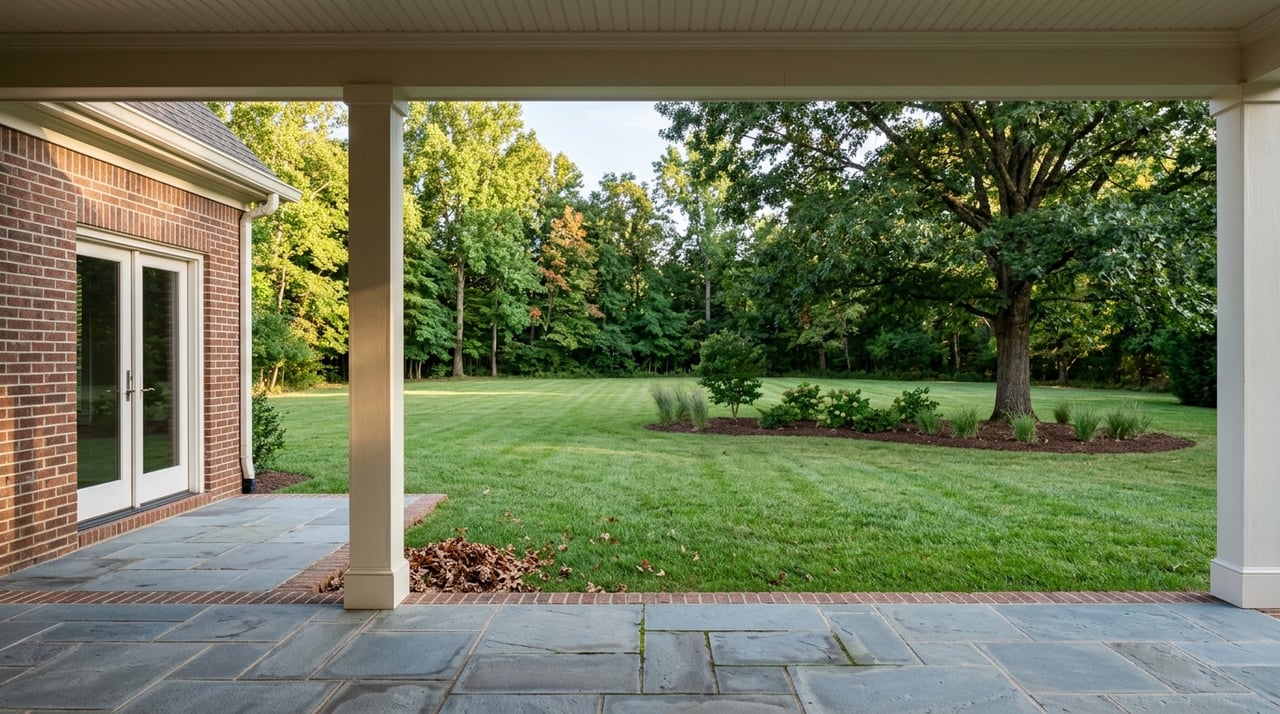
Thinking about trading a city block for open land? In Woodbine, that shift is not just about getting a bigger house. It often means changing how you commute, how you manage your property, and how you think about daily convenience. If you are considering a move, this guide will help you understand what life in Woodbine can really feel like and what to check before you buy. Let’s dive in.
What Woodbine Life Feels Like
Woodbine is best understood as a rural-west Howard County setting, not a close-in suburban neighborhood. Howard County places Woodbine within District 5, which covers about half of the county’s land area, and the county says more than 23,300 acres of farmland have been preserved in the rural west over the last 41 years. That preservation work helps explain why the area feels more open and agricultural than many buyers expect.
For many city or inner-suburban buyers, the first change is pace. Howard County’s RC zoning district is designed to conserve farmland, preserve the rural landscape, and allow low-density clustered residential development. The county also notes that residents in RC should be prepared to accept normal farming practices, which is an important part of the lifestyle shift.
That means quiet does not always mean stillness. You may find more space, fewer nearby commercial stops, and a calmer visual landscape, but you are also living closer to agricultural activity. In Woodbine, that balance is part of the appeal.
How Housing Differs in Woodbine
If you are coming from a denser area, Woodbine housing can feel very different right away. The main rural zoning districts tied to this area are RC and RR, and in both districts the base housing form is one single-family detached dwelling per lot. That framework shapes the area’s lower-density character.
Acreage is a major feature, but not every property looks the same. In both RC and RR, non-cluster subdivision lot size is 3 acres. Cluster subdivisions can be smaller, including 33,000 square feet with a shared septic drainfield or 40,000 square feet with an individual septic drainfield.
So when you search in Woodbine, you may see a mix of larger-lot detached homes and more compact cluster-style rural subdivisions. That matters because the lifestyle can vary a lot from one property to the next. A home on several acres may ask much more of you as an owner than a home in a clustered setting.
Rural Uses May Be Nearby
Woodbine can feel both residential and agricultural at the same time. Howard County’s RC and RR rules allow uses such as farms, farm stands, riding academies and stables, agritourism, and home-based contractors, subject to county requirements. If you are used to more uniform suburban zoning, this mix can be an adjustment.
This is one reason it helps to look beyond the house itself. A beautiful property may sit near preserved land, active farming uses, or parcels with different permitted uses than you would expect in a typical suburban subdivision. Understanding that context early can help you make a more confident decision.
Preservation Easements Matter
Some Woodbine land is permanently affected by agricultural preservation easements. Howard County says ALPP and MALPF easements are perpetual, remain with the land, bind future owners, and restrict development. That means the long-term use of a property may be more limited than a buyer assumes.
This is not necessarily a negative. For some buyers, preserved surrounding land is part of the reason Woodbine is attractive. But it does make due diligence essential, especially if you are hoping for future changes, additions, or land division.
Daily Life Is More Planned
One of the biggest shifts in Woodbine is how you move through the day. In a city or inner suburb, you may be used to quick stops, short drives, and more options close by. In Woodbine, life tends to feel more road-based.
MDOT SHA identifies MD 94 as Woodbine Road and notes that it crosses I-70 in Howard County. That makes the corridor important for east-west travel and helps explain why many residents think in terms of driving routes rather than walkable blocks.
For errands, this often means planning ahead. Because Woodbine is rural and the roadway network is a key part of daily movement, many households batch errands instead of making several small trips. It is a simple change, but it can have a big effect on your routine.
Commuting Expectations
Public transit exists in Howard County, but it functions as a regional system rather than a full substitute for driving in a rural area like Woodbine. Howard County says the RTA runs 15 fixed routes and paratransit services and connects riders to other systems. In practical terms, that makes transit more of a supplemental option than the default pattern for many households in this part of the county.
If commute time is a top priority, it helps to map your likely routes before you buy. Howard County’s mean travel time to work is 28.5 minutes, which gives you a useful countywide baseline. Your actual experience in Woodbine will depend heavily on where you need to go and how often.
Ownership Is More Hands-On
The move to Woodbine is often a move toward more self-management. In the western part of Howard County, infrastructure is less urban in character. Howard County says waste from septic tanks in the west is transported to the treatment plant by truck, which is a practical reminder that some systems work differently here.
For many buyers, well and septic care becomes one of the biggest new responsibilities. Howard County’s Well and Septic Program reviews installations and repairs, inspects systems, and tests water from private drinking wells. That makes inspections and maintenance a core part of rural ownership, not just a one-time item during the transaction.
What to Check Before You Buy
If you are considering a property in Woodbine, extra due diligence can save you time, money, and stress. Howard County says its public file search contains residential well and septic files from about 1985 to the present. The county also provides an interactive map that allows users to check parcel data, land use, easements, and zoning by address.
Before moving forward, it is smart to review:
- Well and septic records
- Current zoning designation
- Parcel data and lot configuration
- Any recorded easements or preservation restrictions
- Nearby land uses that may affect your day-to-day experience
In a market like Woodbine, those details can shape both lifestyle and resale more than buyers expect.
Ongoing Property Care
Private water ownership also comes with continuing responsibility. Howard County says it can collect samples from established wells for bacteria and nitrates, which shows that water testing is not just for the inspection period. It is part of ongoing ownership.
Larger lots can also mean more upkeep. Lawn care, stormwater management, composting, and recycling may all become more visible parts of your routine. If you are moving from a condo, townhouse, or smaller suburban lot, this can feel like a meaningful lifestyle change.
Woodbine Still Offers Community Amenities
More land does not mean giving up access to public amenities. Western Regional Park in Woodbine includes fields, pathways, natural-surface trails, pavilions, the Gary J. Arthur Community Center, and Glenwood Library. These county-run amenities help support weekend routines, recreation, and day-to-day quality of life.
That is an important part of the full picture. Woodbine is not just roads, lots, and preserved land. You still have places to gather, spend time outdoors, and build routines around county resources.
Is Woodbine the Right Tradeoff?
Woodbine is best understood as a lifestyle tradeoff. You are often exchanging convenience density for more land, more privacy, more self-reliance, and more direct contact with agriculture and preservation. For the right buyer, that trade can feel deeply worthwhile.
The key is going in with clear expectations. A property that looks ideal online may come with zoning limits, preservation easements, private systems, or daily routines that feel very different from city life. When you understand those pieces early, you can decide whether Woodbine fits the way you actually want to live.
If you are weighing a move to Woodbine, working with a brokerage that understands Howard County property context, contract details, and due diligence can make the process much smoother. Connect with Equity One Realty for thoughtful guidance as you evaluate your next move.
FAQs
What lifestyle changes should you expect when moving to Woodbine?
- You should expect more space, a more road-based daily routine, more direct contact with agricultural land uses, and more owner-managed responsibilities such as well, septic, and larger-lot upkeep.
What types of homes are common in Woodbine?
- Woodbine commonly includes single-family detached homes in rural zoning districts, with properties ranging from larger lots of about 3 acres to smaller cluster-style subdivisions with shared or individual septic systems.
What should buyers check before purchasing a home in Woodbine?
- Buyers should review zoning, parcel data, easements, preservation restrictions, and available well and septic records before closing on a property.
What makes commuting from Woodbine different from city living?
- Commuting in Woodbine is more car-dependent and route-based, with MD 94 and I-70 serving as important travel corridors and public transit functioning more as a supplemental option.
What county amenities are available near Woodbine?
- Woodbine offers access to county amenities such as Western Regional Park, natural-surface trails, pavilions, the Gary J. Arthur Community Center, and Glenwood Library.