In Locust Point, a buyer touring a brick rowhouse on a narrow block is pricing it against two things: other rowhouses, and a new garage townhome a few streets away built by the same developer. For more than a decade, Mark Sapperstein's 28 Walker Development and its home builders have added new townhome communities on and next to the peninsula. In late October, the Baltimore City Planning Commission approved bills that would allow about 620 more. A rowhouse's price in Locust Point therefore has to hold up against new construction that sells by the square foot, has a garage, and keeps coming.
This post is for buyers who have narrowed their Baltimore search to the South Baltimore peninsula and are deciding which of the two kinds of home to buy. For a broader look at the city's housing types, our Baltimore neighborhood guide and our post on choosing between a rowhome and a condo in Baltimore cover the basics.
The first buyers of the new homes already lived in the old ones
When sales opened at Banner Row, the 108-home townhome community 28 Walker built with Ryan Homes, the early buyers came mostly from nearby. In November 2021, SouthBMore.com reported that 25 percent of the homes had sold and that Sapperstein put the share of buyers coming from within Locust Point at 90 percent. He told the outlet that residents who already owned two-story rowhomes now had a "new product" to consider in the area. The Banner Row homes ran 2,500 to 2,600 square feet with a two-car garage and a parking pad, and the model plus three spec homes sold as soon as sales opened that September.
This shapes how a resale rowhouse comes to market. When a Locust Point owner moves up within the neighborhood, the rowhouse they leave usually becomes a listing. Each new townhome phase adds a new home for sale, and it can also release an older one. Someone buying a rowhouse here often buys from a neighbor who just signed for a garage townhome.
Width separates the two kinds of home
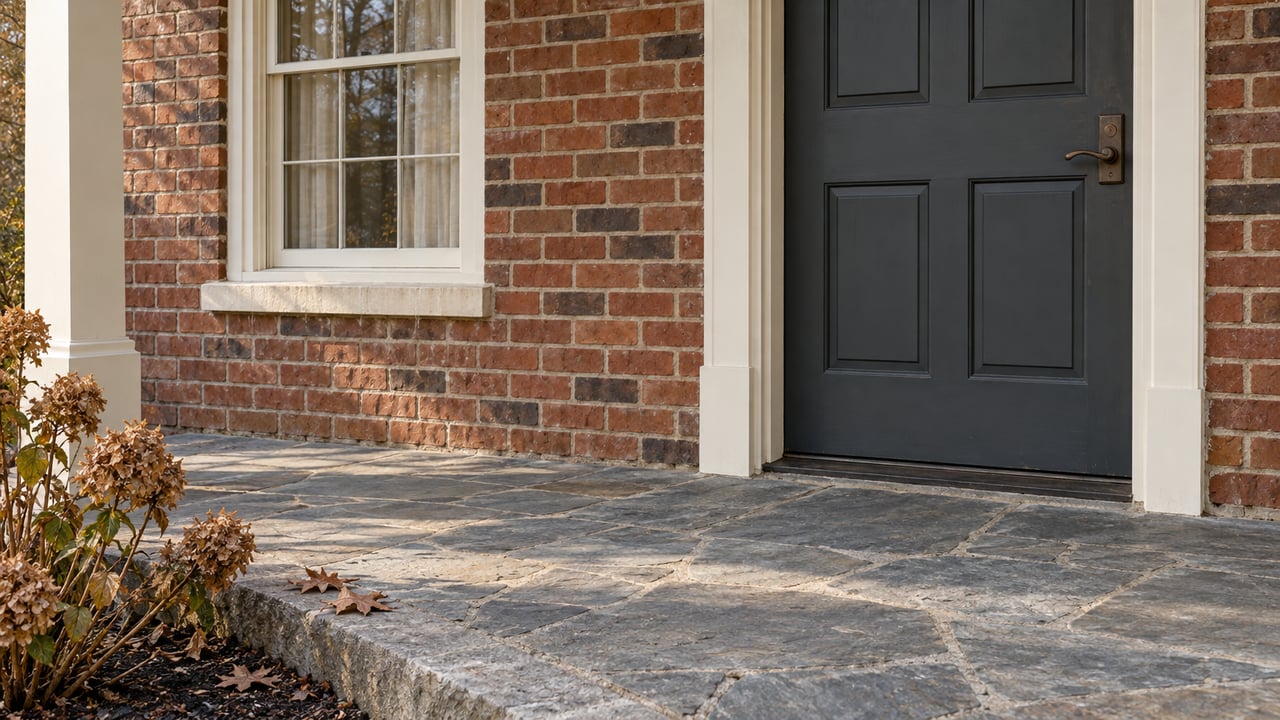
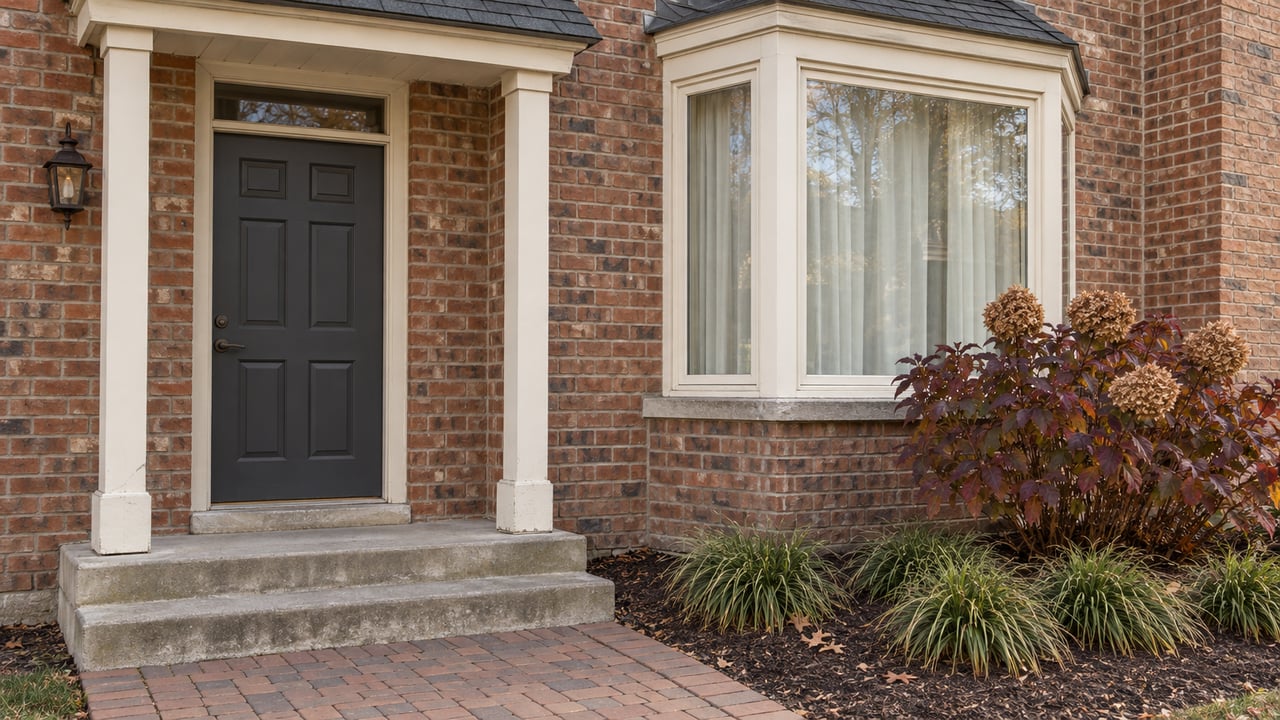
Locust Point's historic district grew between 1845 and 1928, and most of its houses went up between about 1884 and 1901, according to the Maryland Historical Trust's National Register nomination for the district. The same survey describes most of the late-Italianate rowhouses as two bays wide. Its examples are 13 and 14 feet wide, and a 1920s porch-front example measures 16 feet.
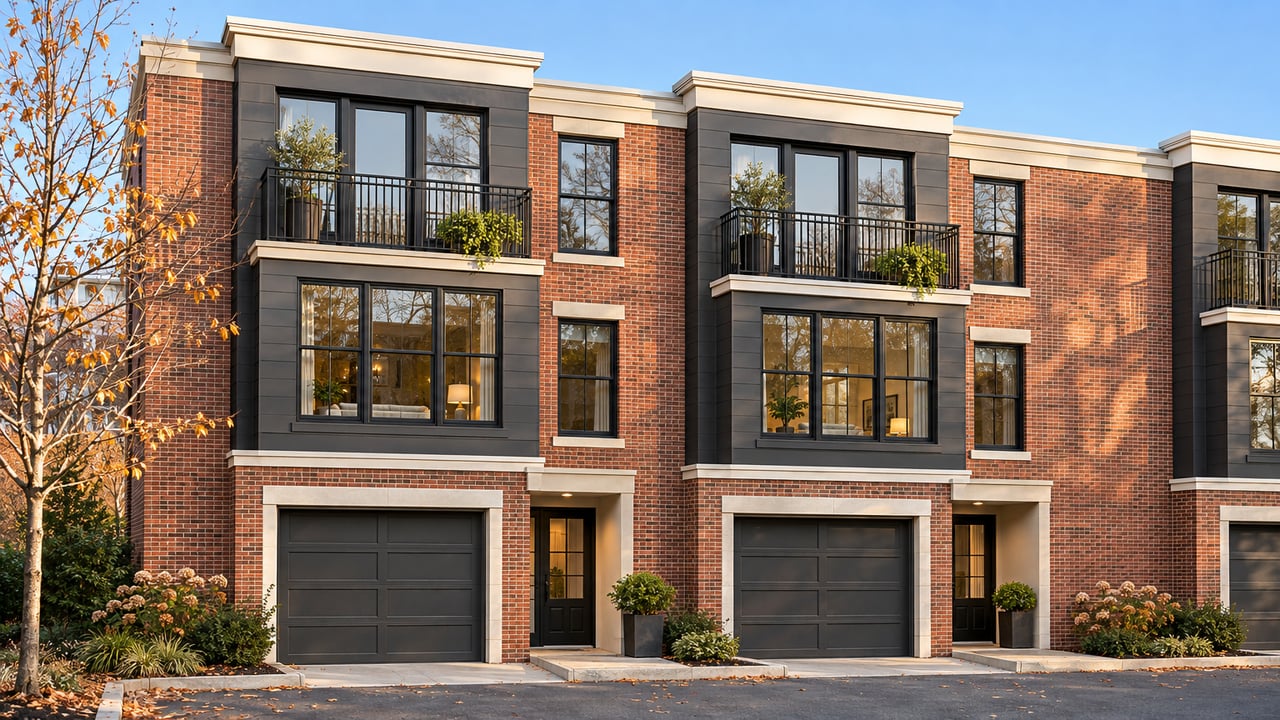
New construction on the peninsula begins at the width where the historic stock ends. At Locke Landing, DRB Homes' 297 townhomes come in three widths: 103 are 16 feet wide, 152 are 20 feet wide, and 42 waterfront units are 24 feet wide, SouthBMore.com reported in July 2024. A Banner Row home advertised in October 2022 was 20 feet wide. Sapperstein told the Planning Commission in October that the townhomes planned for the Cheer Building site would also be 20 feet wide. The plan SouthBMore.com described in September adds 488 parking spaces on that site: 244 in garages, 105 on rear parking pads and 139 in new surface lots.
| Home type | Typical width | Parking |
|---|---|---|
| Historic Locust Point rowhouse, mostly built c. 1884–1901 | 13–14 ft; some 1920s porch-fronts about 16 ft | Varies by block and property |
| Banner Row townhome, 28 Walker with Ryan Homes | 20 ft, per a 2022 listing | Two-car garage and parking pad |
| Locke Landing townhome, DRB Homes | 16, 20 or 24 ft | One- or two-car garage |
| Proposed Cheer Building townhome, DRB Homes | 20 ft | 488 planned spaces across garages, rear pads and surface lots |
Across the peninsula, the extra money for a new townhome mostly pays for width and a garage. Four to seven extra feet changes how a kitchen, a staircase and a bedroom fit on each floor. A garage removes the daily parking search entirely. Buyers drawn to the older rows still find renovated houses, and many have added roof decks and extra levels. The narrow footprint is permanent, though.
What the new homes cost per square foot this fall
DRB currently lists three move-in-ready Locke Landing homes on its community page:
- 2519 Light Street at $549,990 for 2,101 square feet, about $262 per square foot.
- 2707 Ferry Bar Drive at $674,000 for 2,504 square feet, about $269 per square foot.
- 2804 Ferry Bar Drive, a 3,050-square-foot Waterford plan, at $1,199,000, about $393 per square foot.
K. Hovnanian advertises its two-over-two condominiums at Locke Landing from the mid-$400s, including a 1,603-square-foot quick move-in home at $429,990, about $268 per square foot. Builders change these list prices often, so they reflect the builders' pages this fall.
Apart from the largest plan, new construction on the peninsula is clustered in a tight range, roughly $262 to $269 per square foot. That range gives a rowhouse buyer a benchmark. A renovated row's asking price, divided by its finished square footage, can be compared directly with a new home that has more width and a garage. If the rowhouse costs more per foot, the buyer is paying for something else, such as a particular block, a roof deck view or the historic fabric. Those are reasonable things to pay for, as long as the buyer knows that is what the premium covers.
The comparison holds across a decade, too. When Beazer launched Key's Overlook in 2013, its 53 townhomes were about 2,003 square feet and priced in the high $400,000s, SouthBMore.com reported at the time. Thirteen years later, DRB's 2,101-square-foot Bridgton plan is listed at $549,990.
About 620 more townhomes are in the approval pipeline
On Oct. 29, the Planning Commission approved two City Council bills tied to Sapperstein's next projects, Baltimore Fishbowl reported. Bill 26-0263 would rezone about 90 acres of Baltimore Peninsula land along E. Cromwell Street. Sapperstein said his plan there calls for 500 townhomes plus commercial space, with DRB Homes as the builder. Bill 26-0244 would amend the Under Armour Headquarters planned unit development to allow housing on the seven-acre Cheer Building parcel in the 1400 block of Beason Street. The plan there is 122 townhomes and a small park. According to the same report, both bills go next to the council's Land Use and Transportation Committee for a hearing and then to the full council for a final vote.
The projects also need land. The Baltimore Banner reported on Oct. 28 that Sapperstein had an agreement to buy the roughly 90 acres from Bank OZK, with the sale expected to close late in 2026 or early in 2027. SouthBMore.com reported that he hoped to close before the end of 2026 and wanted to build on the success of Locke Landing, which the outlet described as more than 75 percent complete.
For pricing, Baltimore Fishbowl noted that Sapperstein said in 2025 that the Locust Point homes would sell in the $600,000-to-$700,000 range. Sale prices for the larger Baltimore Peninsula project have not been released. SouthBMore.com's September report put the Cheer townhomes at about 2,500 square feet each. At those figures, the proposed homes would land at roughly $240 to $280 per square foot, close to what DRB lists at Locke Landing today.
The jobs base is already in place. The South Baltimore Peninsula Post reported in its February 2026 issue that about 1,000 Under Armour employees work on-site at the company's Baltimore Peninsula headquarters. The company moved its workforce there from Locust Point at the end of 2024.
The citywide numbers give buyers room to compare
Baltimore City as a whole is not tight right now. In October 2026, the city had 3,025 active listings, up 20.8 percent from October 2025, and 5.50 months of supply, according to Bright MLS's October 2026 housing market report. Closed sales that month fell 19.0 percent year over year to 469, while the median sold price rose 2.0 percent to $249,900, and the median home spent 29 days on the market, four more than a year earlier.
Those figures cover the whole city, and Locust Point does not trade at the citywide median. They still describe the conditions a peninsula buyer is negotiating in. Inventory is rising and homes are taking longer to sell, and a builder with move-in-ready homes is listing them now. All of that gives a rowhouse buyer time to compare. A rowhouse seller is competing with other rowhouses and also with a builder that has finished homes to sell before year-end.
What to check on a Locust Point rowhouse
The practical comparison comes down to a handful of items that vary house by house. Parking is the first, because it is where the two kinds of home differ most. Every new plan on the peninsula is built around garages and pads, while an older row's parking depends on its block and on whether a past owner added a rear pad. A rowhouse with off-street parking closes much of the gap with new construction, and one without it should be priced with that gap in mind.
The house itself comes next. On a home built in the 1890s, the roof, the party walls and the basement deserve the most attention at inspection, especially where a previous owner added a level or a roof deck. Then do the per-foot math against DRB's current list prices. If a renovated row is priced near $262 to $269 a square foot, it is competing directly with new construction, and the buyer can decide whether its location and character outweigh a garage and six extra feet of width. Our buyer resources cover the steps from that comparison to an offer.
If you are weighing a Locust Point rowhouse against one of the new townhomes, talk with Equity One Realty about how the two compare per square foot and what this season's inventory means for your offer. If you already own a row on the peninsula and are thinking about the move-up, start with a home valuation priced against the new construction your buyers will also be touring.